
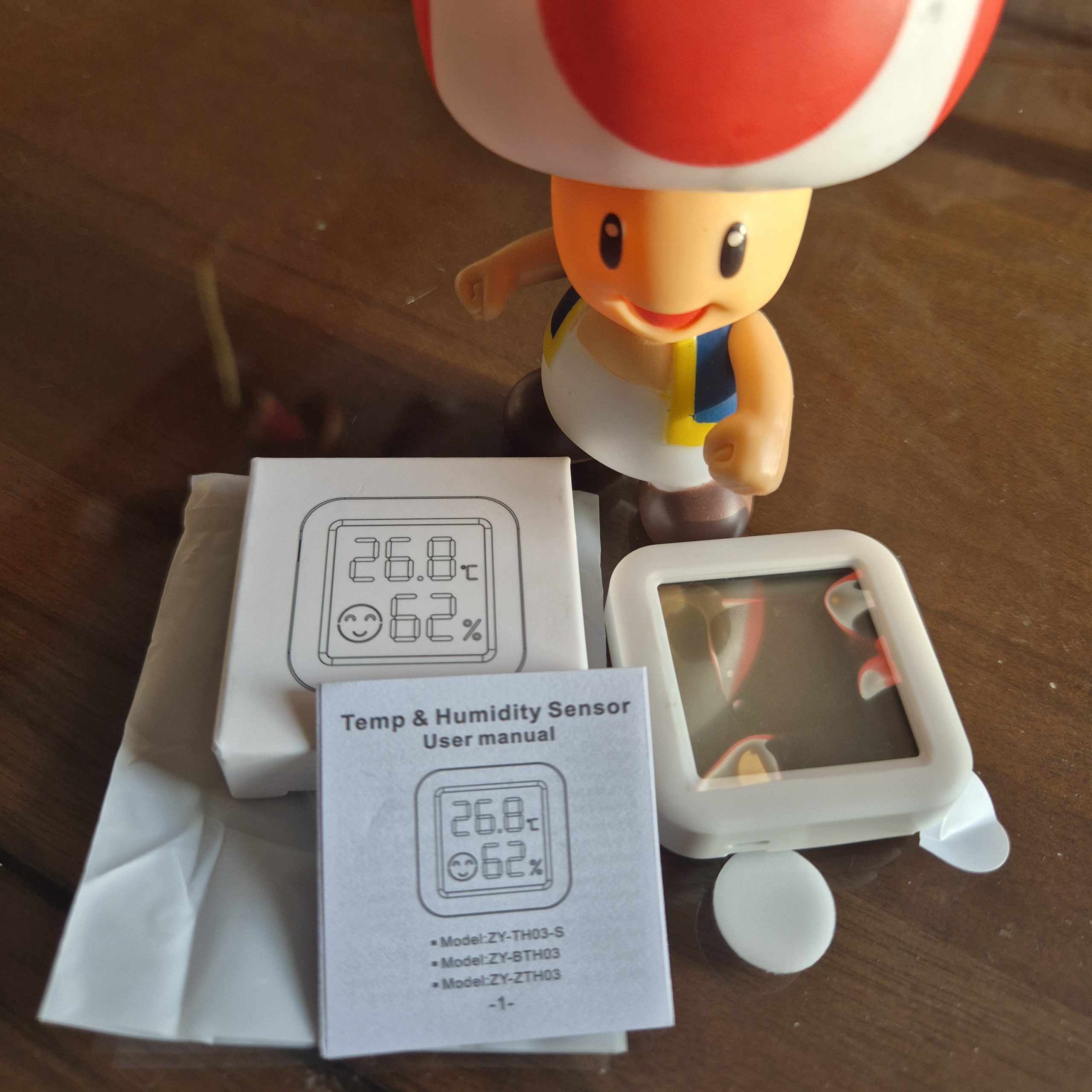
🔍 I check the received model
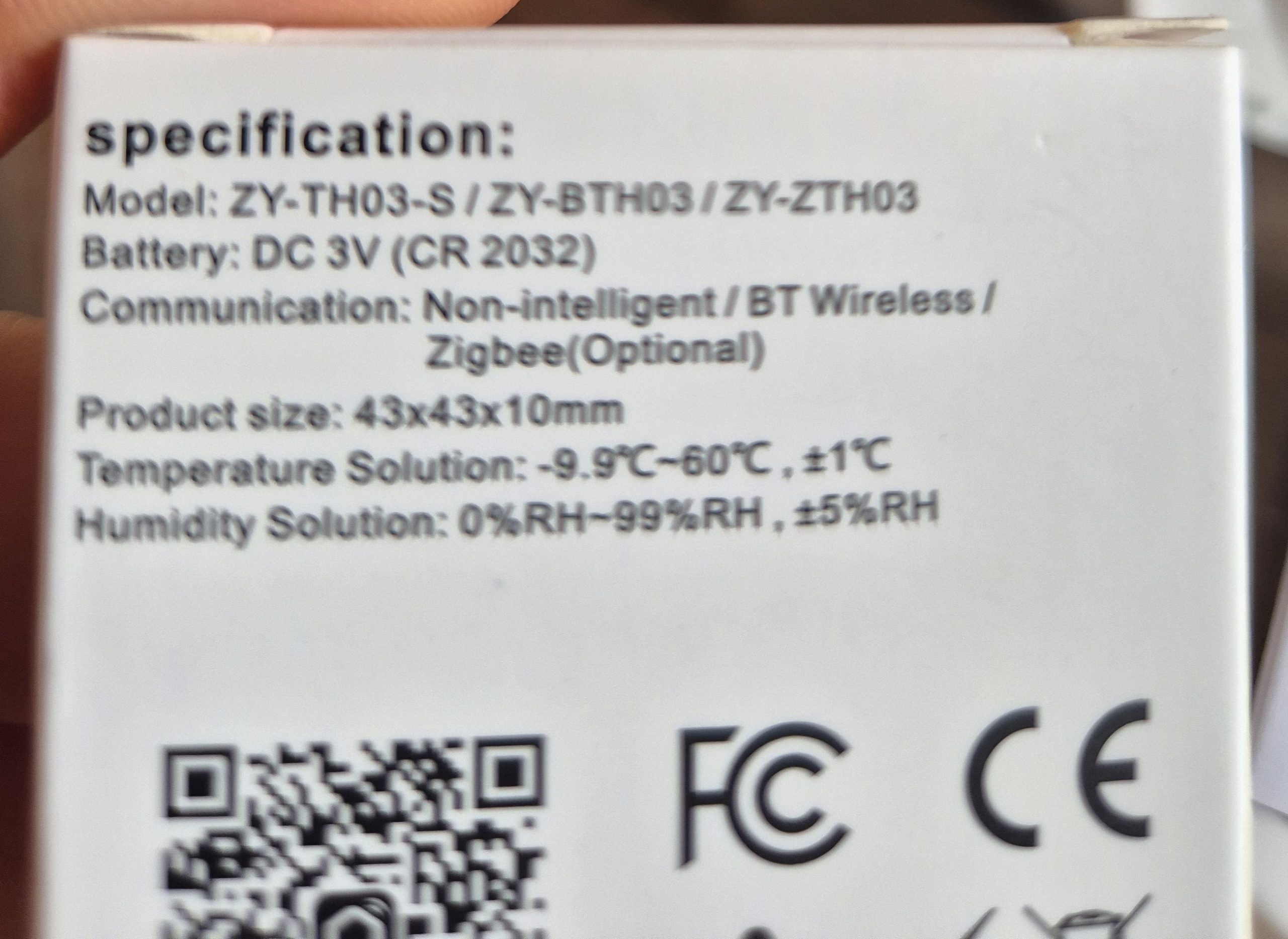
The technical sheet indicates the model ZY-ZTH03. On the cardboard, the model is perfectly visible:

Once the house is domotised, the lights connected, the shutters detected and the door lock domotised, imagine a small light at the entrance that changes colour to indicate the security status of your house at a glance: Locks, shutters, windows, lights … All driven by Home Assistant and Zigbee. Validation 200% WAF certified. Read More

I'm testing the Third Reality multifunction nightlight 3RSNL02043Z, a Zigbee 3.0 device combining RGB light, PIR motion detector and brightness sensor. This model advantageously replaces a bulky Xiaomi gateway in my entry. It offers perfect integration with Zigbee2MQTT and Home Assistant for intelligent night automations and visual indicators. Read More
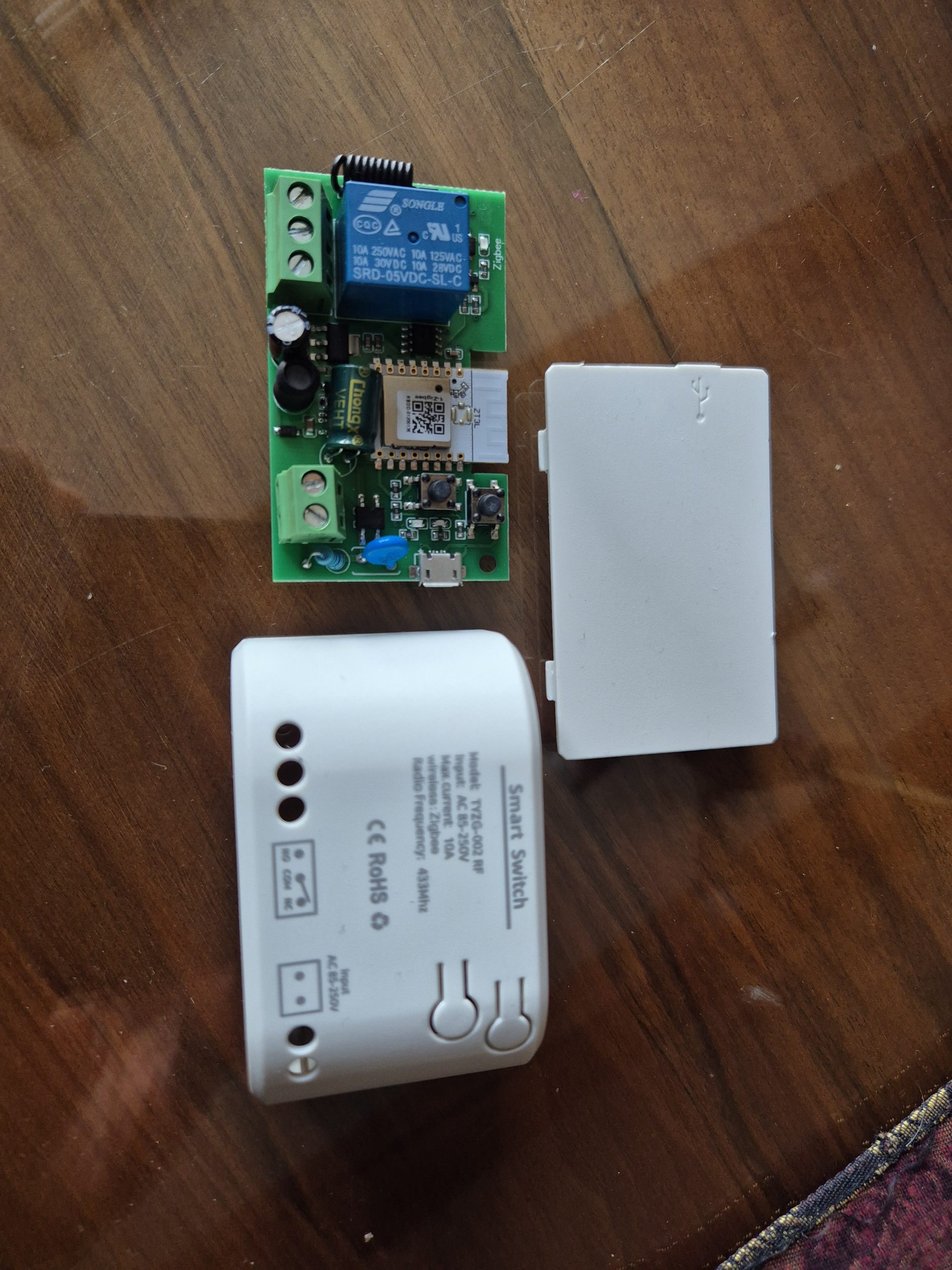
I have been looking for a long time for a way to get dry contacts (also called potential free) with NO (Normally Open) and NC (Normally Closed) outputs, as SONOFF 4CH modules (Pro or Standard version) do excellently.
This type of dry contact equipment is extremely versatile. It allows the control of electrical appliances or lamps, but also watering valves regardless of their supply voltage (12V, 24V, 230V …), or to send a short pulse to open an automatic gate, actuate an electric waste or trigger a siren. The dry contact works without injecting any voltage specific to the module, it only connects or disconnects two wires according to the NO/NC state, which avoids any risk of electrical conflict between the module and the controlled device.
I ordered this Zigbee module to test it. These tests are not sponsored: I bought this product with my own money, sometimes recovered through resales such as those available in my garage sale.
The documentation indicates that the voltage supported on dry contacts can be up to 240V maximum, with a capacity of 10 A (i.e. 2200 W at 220 V for a resistive load such as a radiator). For inductive or capacitive loads such as LEDs, the limit is 220 W maximum at 220 V, because these loads generate peaks of current at start-up that could damage the relay if the power is too high.

This comprehensive tutorial explains the precise wiring, Zigbee2MQTT configuration, Home Assistant integration and Alexa. A single dashboard button + real status feedback + voice command ‘Alexa opens the portal’. Read More
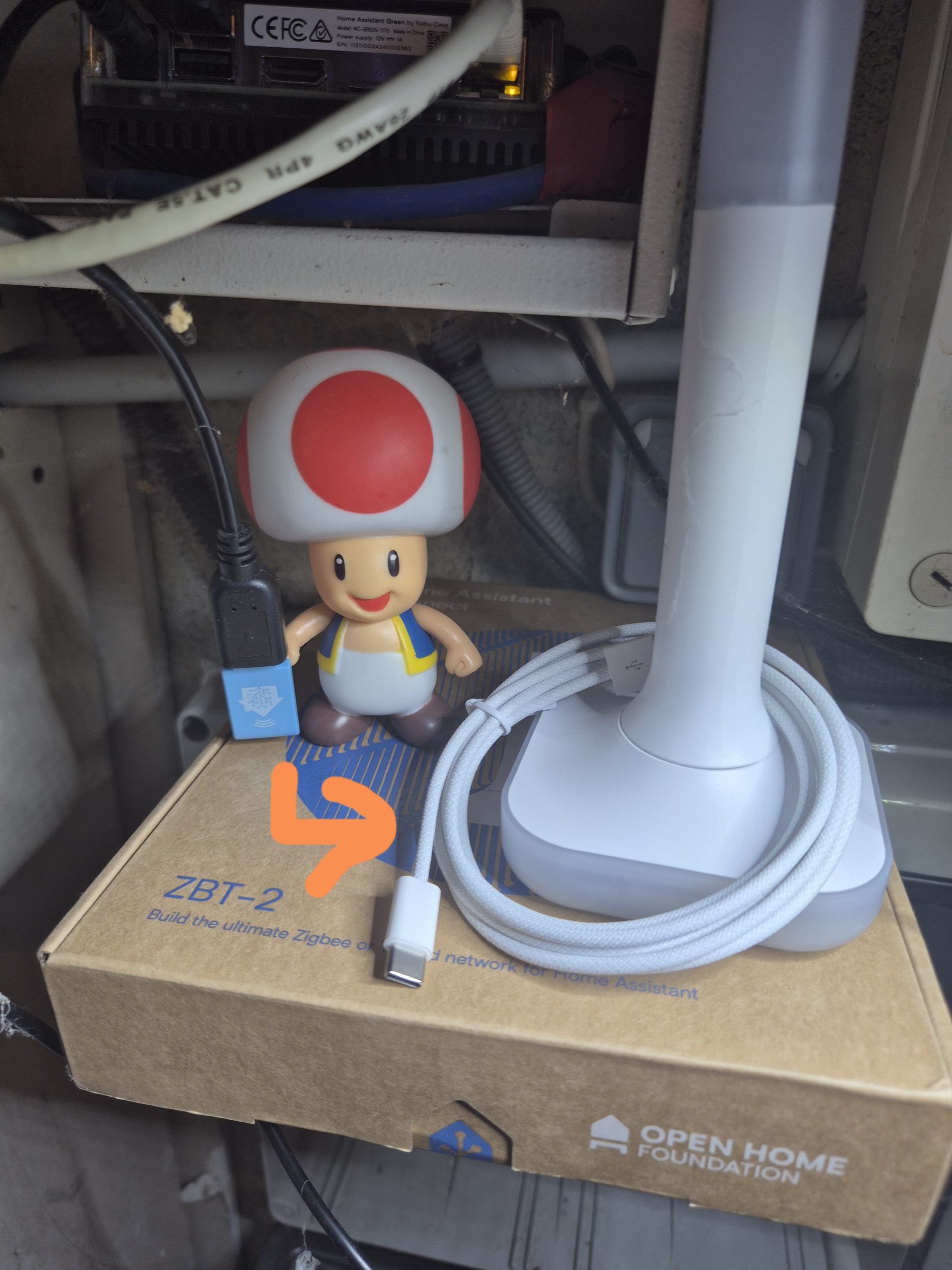

Nabucasa is the official manufacturer of the hardware dedicated to Home Assistant, an open source home automation platform that focuses on data privacy. The company offers simple, reliable solutions that are fully compatible with Zigbee, Thread and the emerging Matter standard. These controllers make it possible to centralize the management of all connected home devices directly from Home Assistant, without any dependence on external cloud services, thus guaranteeing total and local control of your home automation installation. Read More
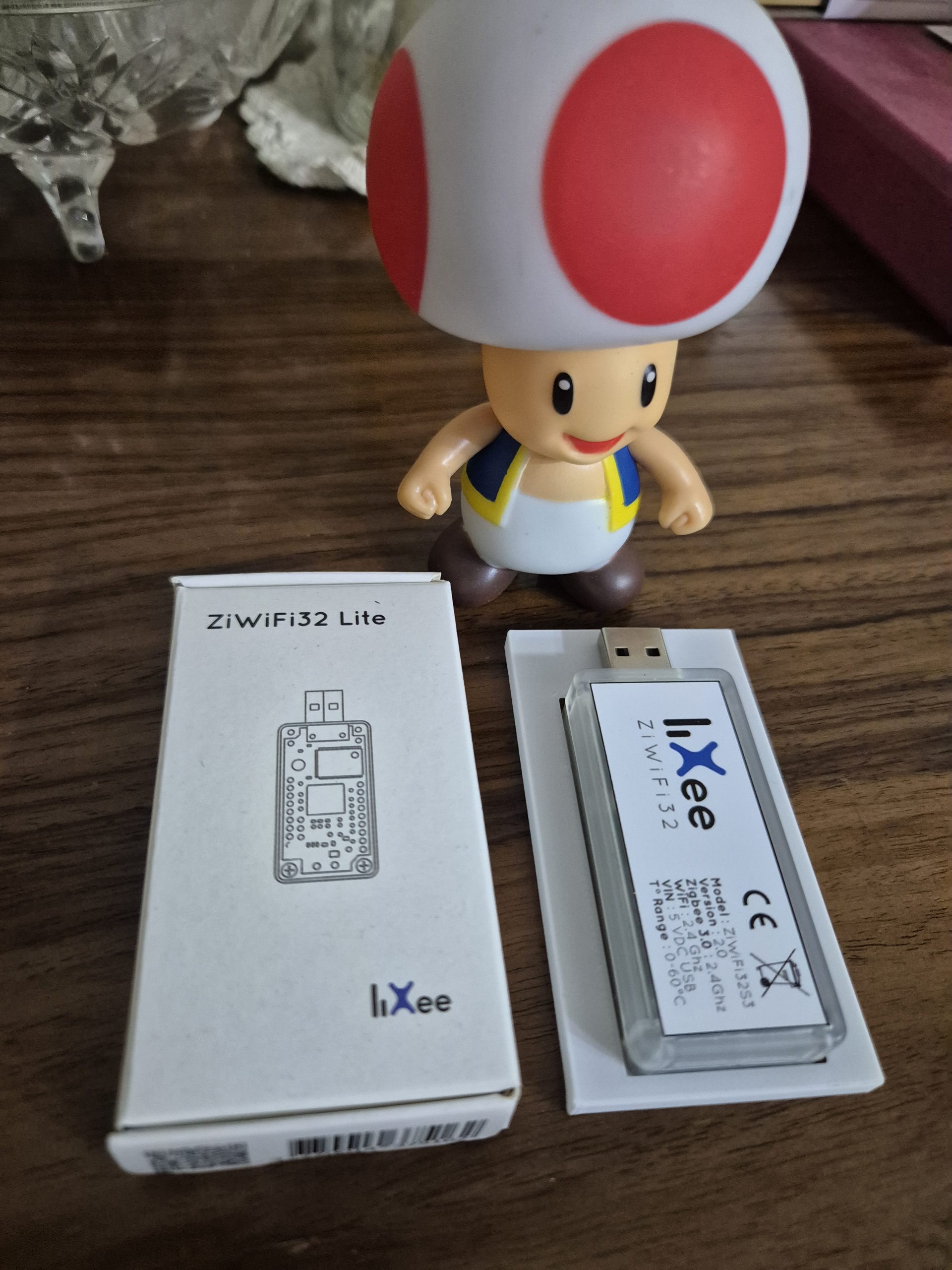
Creating an independent Zigbee network for my pool shed solves distance issues with my main house. LiXee's ZiWiFi32 Lite connects sensors and actuators locally via Zigbee, then transmits data to Home Assistant via MQTT. This method ensures stability, autonomy and smooth integration without extending the main network. Read More
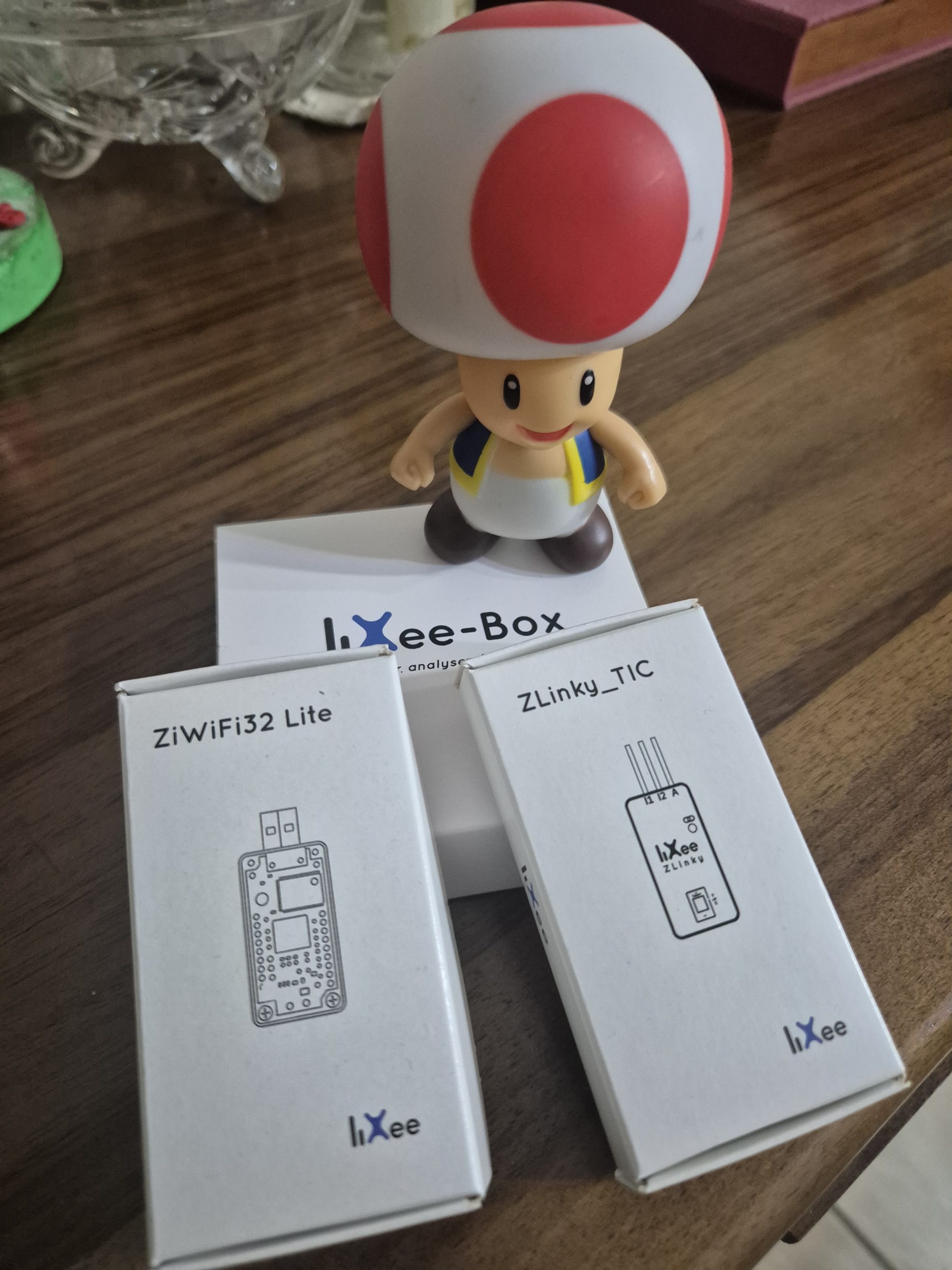
The LiXee-Box is an open-source home automation solution designed for monitoring and local management of energy consumption at home. Unlike many market solutions, it does not depend on an external cloud: All data stays on your home network, ensuring total privacy and optimal responsiveness.
This box usually consists of a main module, the ZiWiFi32 Lite, which acts as a central hub, and complementary modules such as the ZlinkyTIC, dedicated to the recovery of data from the Linky counter. It allows real-time measurement of electricity, water and gas consumption (with additional modules, ZiPulses for example), and offers advanced functionalities such as automation, smart load shedding and integration with other home automation systems.
Its open-source firmware and compatibility with open protocols such as MQTT make it a flexible solution, suitable for both beginners and advanced users. The LiXee-Box is ideal for those who want to control their energy consumption while maintaining full control over their data. Read More
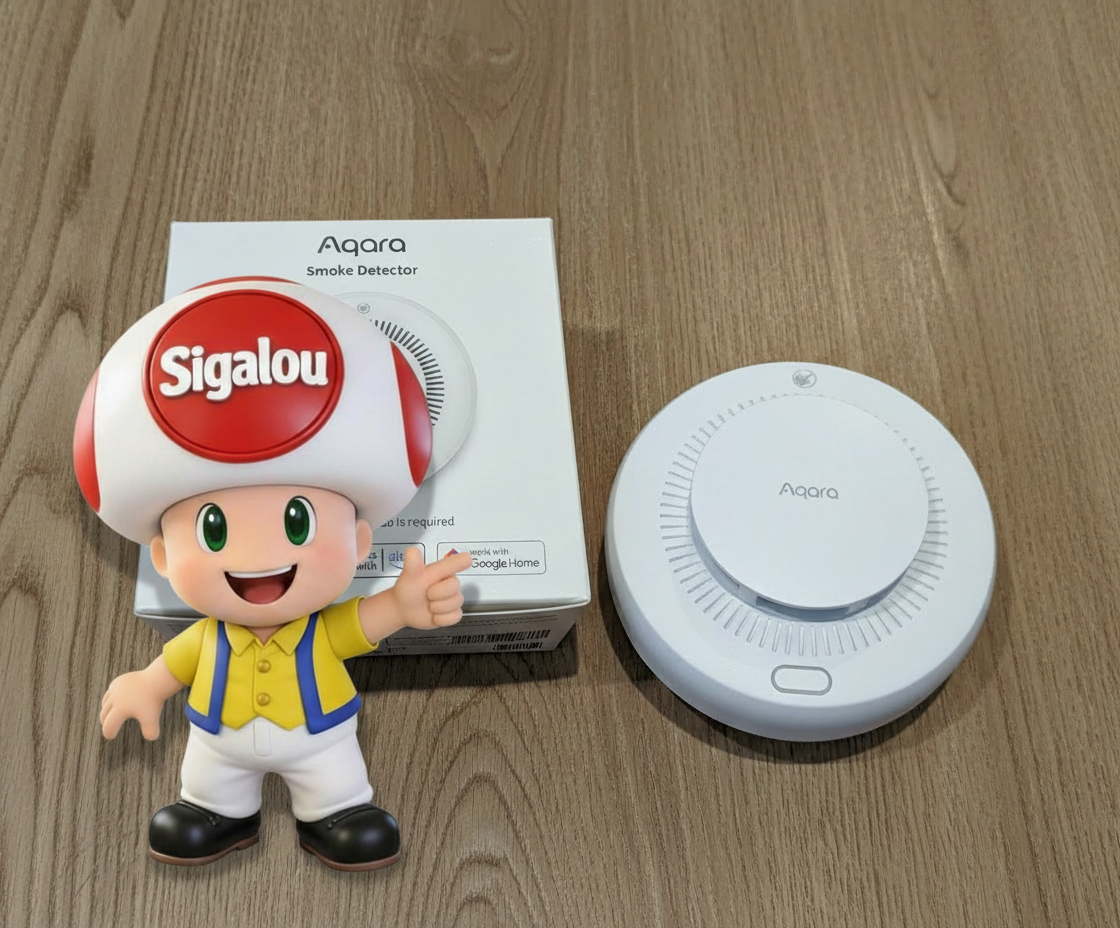
I want a model that is simple to install, reliable on a daily basis, and can be integrated into my home automation system. My objective is clear: be alerted quickly, locally (sirene) and remotely (Home Assistant).
In this article, I go around the product: what I receive, how I install it, how I pair it, and what I can automate. I voluntarily remain concrete, with short sentences and simple steps.
I want to secure my home with a connected detector, without depending on a manufacturer app. I also want to monitor the battery and be able to test the device regularly. Finally, I want to trigger home automation actions in the event of an alert (siren, notifications, scenarios).
Here is the link to the page dedicated to the smoke detector Aqara SD-S01D Zigbee.
I listed the sellers and the prices compared.
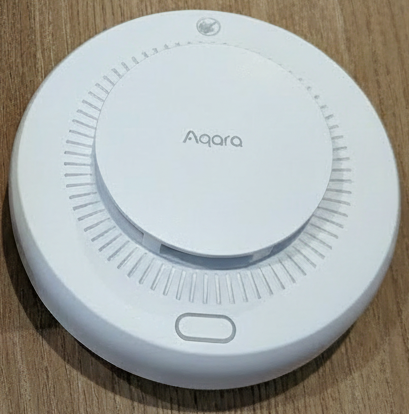
I get a circular detector with a central button and an LED. I also find a rear mounting plate, a leaflet, a 3M adhesive and a CR17450 battery.
At first contact, I find it cleanly finished. The promise is simple: a modern DAAF, but with a Zigbee layer for alerts and automation.
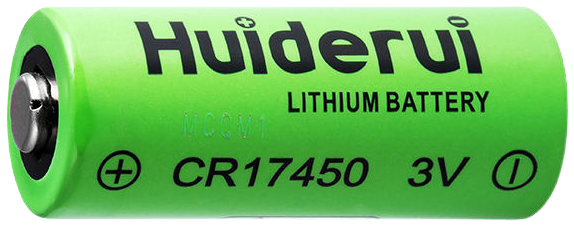
I insert the CR17450 battery and observe the LED sequence. On this model, the LED can go through several colors at start-up (and a slight sound confirms the commissioning). I also note that the button is used for both self-testing and pairing.
I have a habit: I note the installation date now. It will help me to follow the real autonomy.
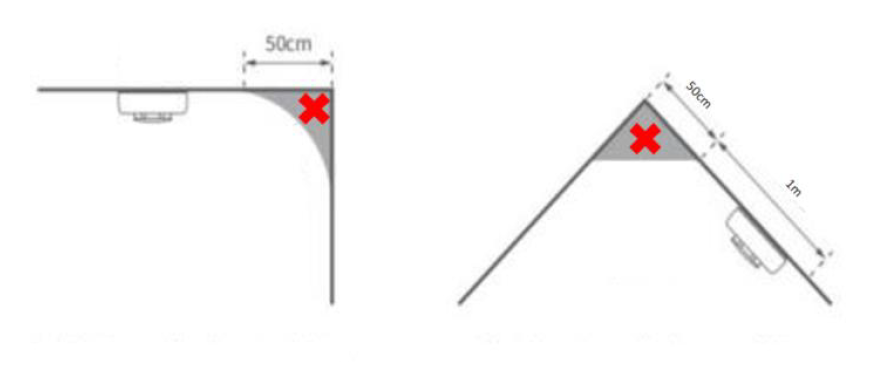
I install it in a traffic area, where smoke is likely to be detected early.
I prefer a central location and avoid areas that can distort detection (kitchen too close, steam, dust).
I keep in mind the recommendations to install a DAAF, because it is a safety issue.
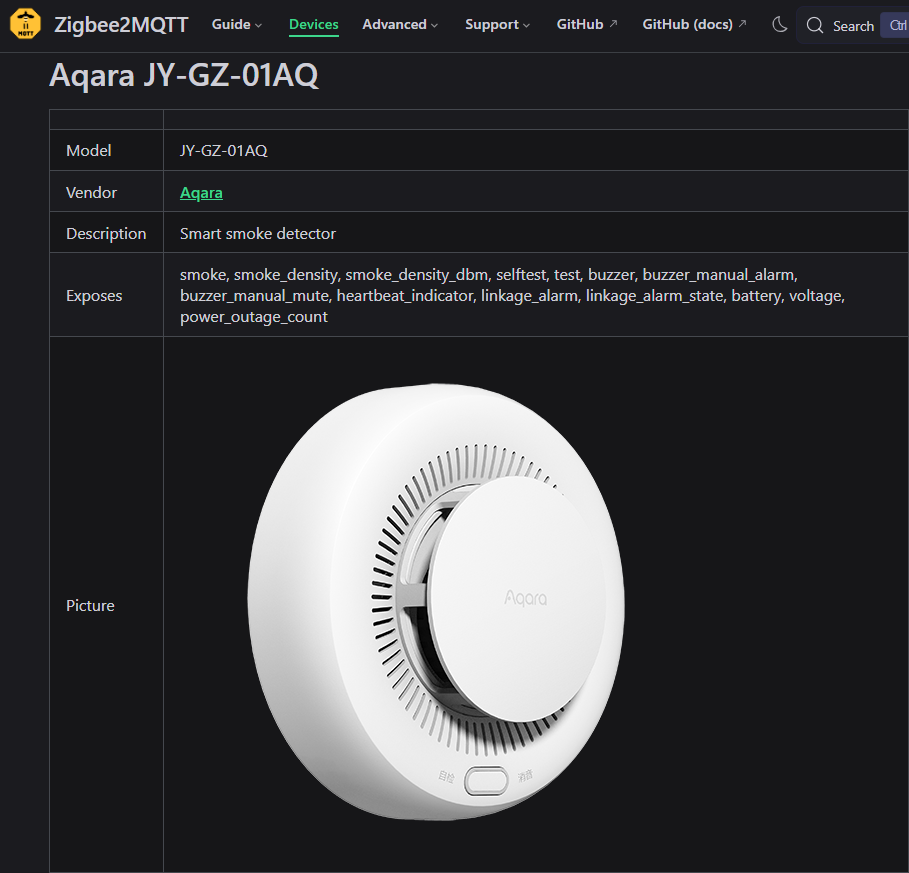
This equipment is well known in the Zigbee2MQTT Database under the name JY-GZ-01AQ
Once included, I rename the equipment cleanly. I keep a legible name, with the part, to avoid errors in automatisms.
In Home Assistant, I find it via the MQTT integration (if I go through Zigbee2MQTT). I shall immediately check the relevant entities: smoked state, battery level, and especially test commands / possible actions.
Point that I find interesting on this model: I can trigger a self-test and, depending on the integration, pilot the Buzzer part remotely. This is a real plus if I want to validate the correct functioning without climbing a ladder.
I did not specifically delve into the presentation of the exhibitions or the Home Assistant integration, as two very well-made pages have already been put online:
✅ Forts: Zigbee 3.0, siren 85 dB, LED tricolor, announced long autonomy, possible integration in Home Assistant via Zigbee2MQTT, and self-test exploitable in home automation.
❌ Weak: a smoke detector remains difficult to ‘validate’ on a daily basis without intrusive tests. And as always in Zigbee, the quality of the network (routers, mesh, placement) can change the experience.
My verdict: For me, the SD-S01D makes sense if I want a connected DAAF, but driven by my home automation ecosystem. I install it, I apprehend it quickly, and I rely on simple automations to increase security.
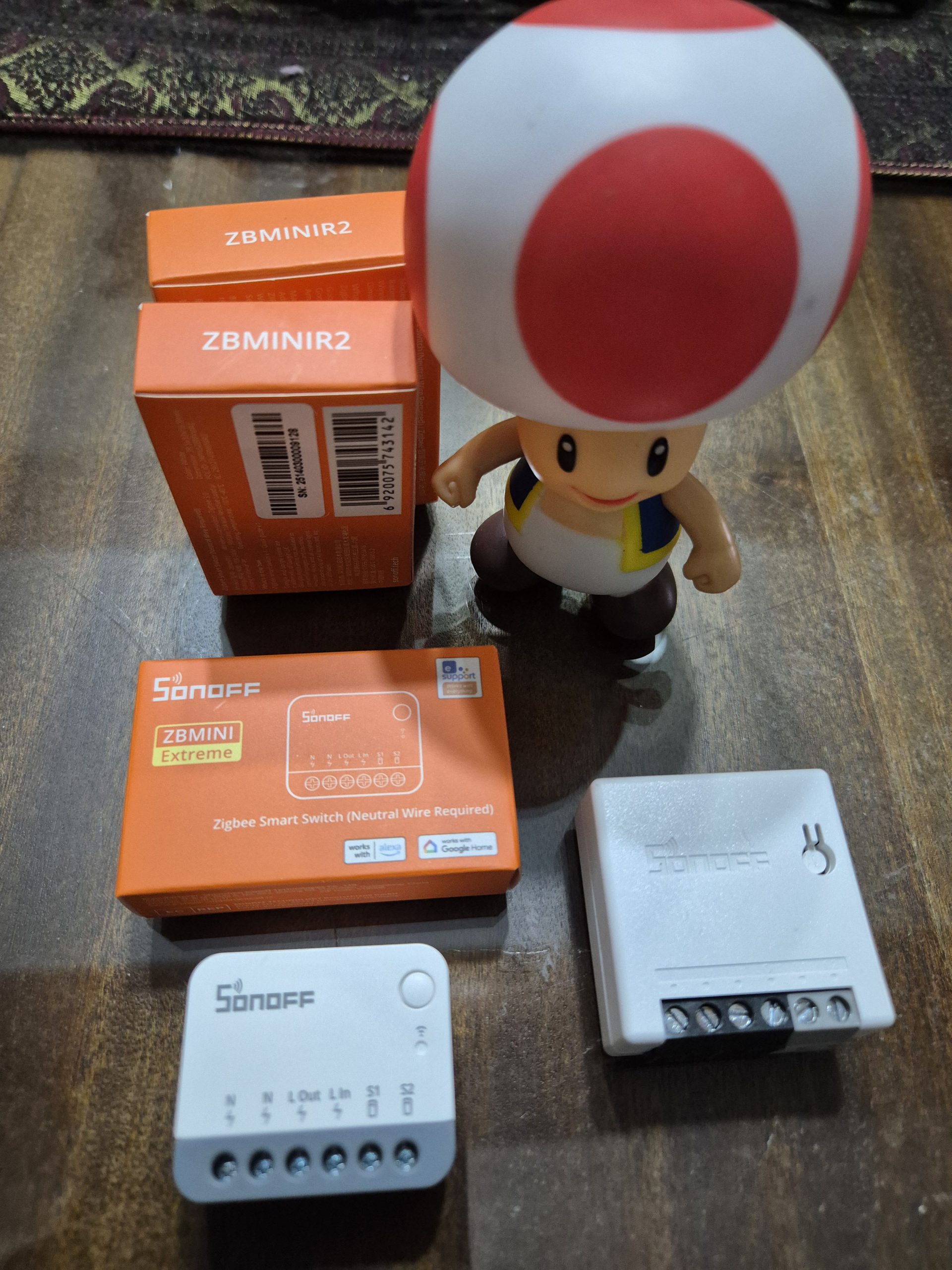
The Sonoff ZBMINIR2 surpasses the ZBMINI in Zigbee stability and compactness to domotize lights and devices. This technical guide details the comparison, my feedback on resolved disconnections, and the precise steps to safely migrate to this reliable module. Find out why this replacement makes any extended Zigbee network reliable. Read More
 English
  French
  Spanish
  Chinese
  German