
Who is Meian?

Meian Technology is a high-tech company founded in 2014 in Shenzhen, China. It specializes in research and development, production and sales of consumer electronics and smart home solutions. Read More


Meian Technology is a high-tech company founded in 2014 in Shenzhen, China. It specializes in research and development, production and sales of consumer electronics and smart home solutions. Read More
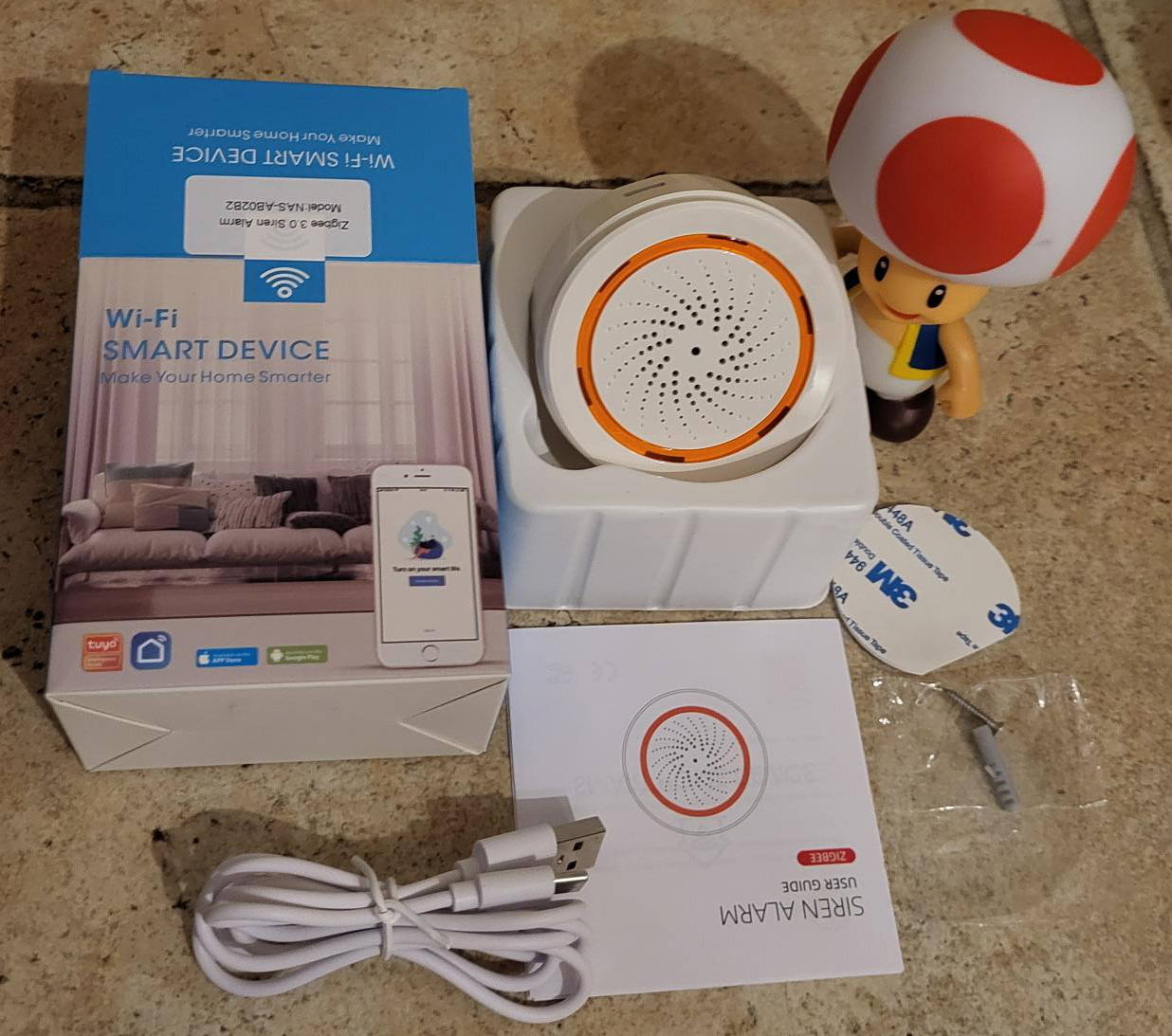

NEO is not a manufacturer, it is a trademark owned by a Chinese company that specializes in home automation products and smart home solutions.
It is a brand that I have known for a long time, especially for its smart plugs, so I approach this brand with serenity. Read More
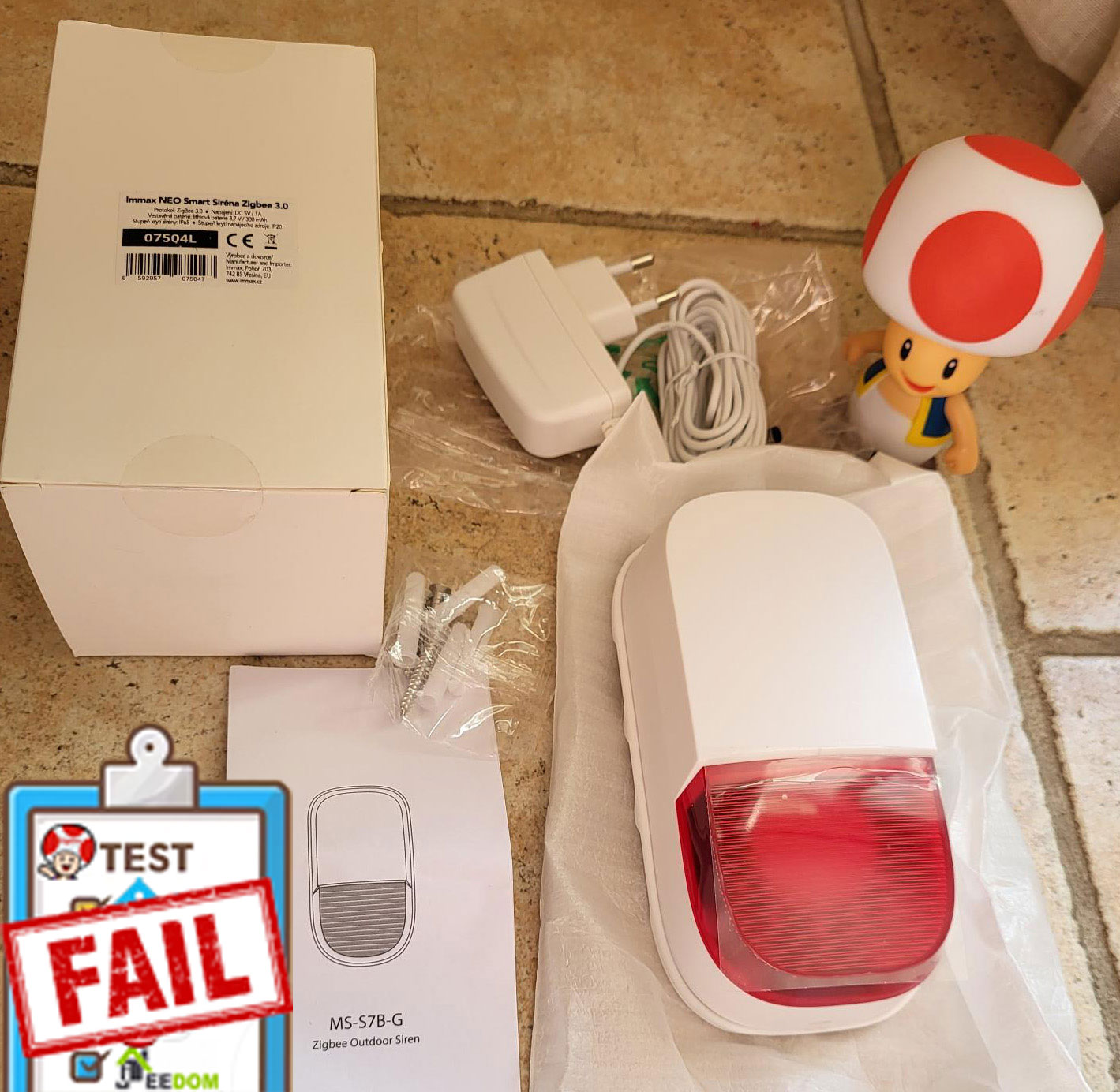


Immax is a brand of the Heimann company.
I described Heimann on the RetEx of the siren HS2WD-EJ. Read More
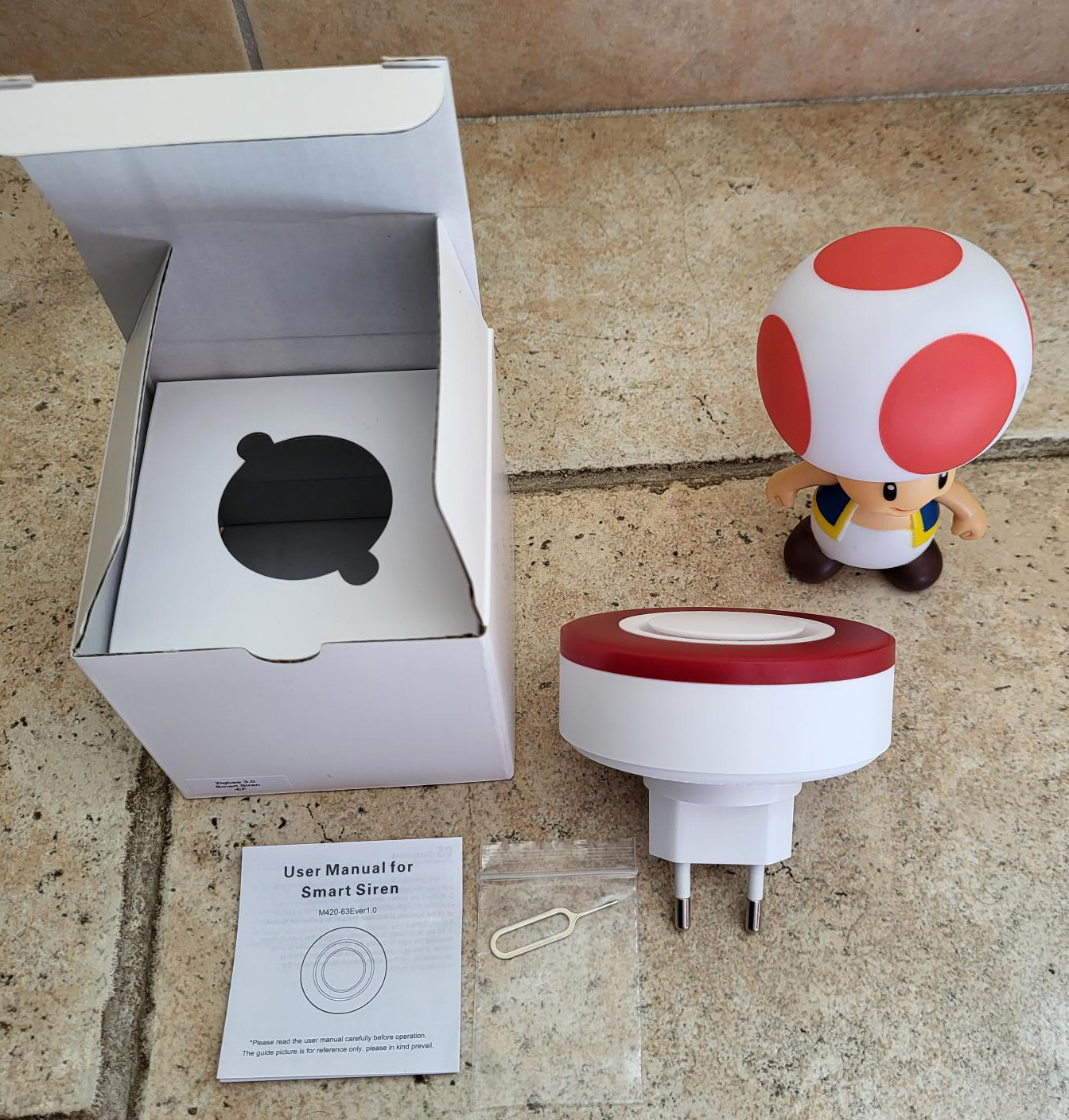

This Chinese manufacturer is particularly known for its safety detectors, mainly smoke but not only. Read More
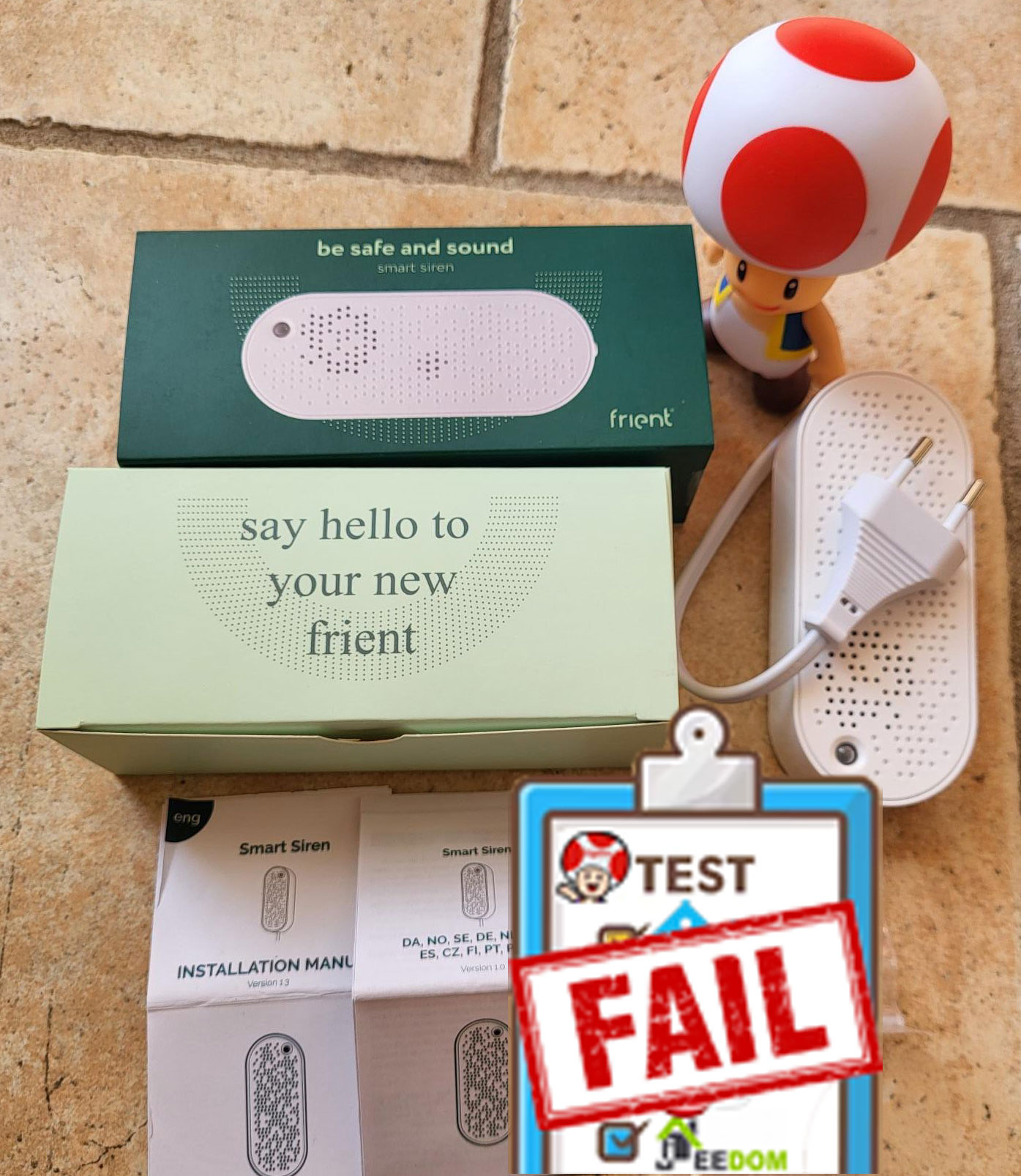
 I am aware that this is particularly subjective, but Frient is a mark that I like very much. I already have several equipments of this brand, I never had any concern of losing Zigbee link or pairing. The batteries last a long time, so I imagine that the circuits are well optimised and well designed. Read More

Difficult to read their website to know who they are, you have to look a little.
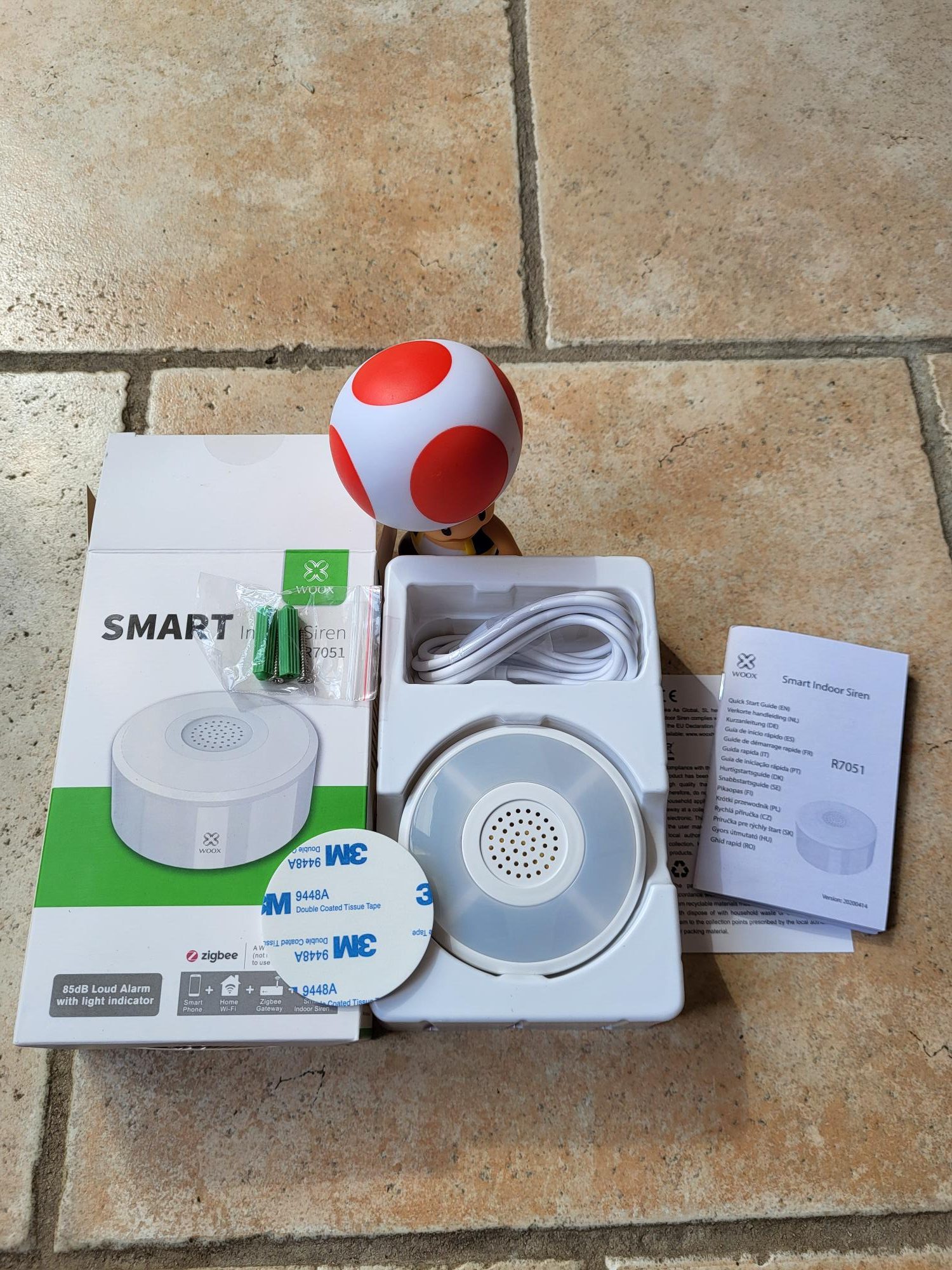
Woox is a Chinese company based in Shenzen founded in 2018 that manufactures products in three distinct worlds: socket, lighting and security. Their Chinese origin is confirmed by the link with Tuya, indeed, their ZigBee connected objects all evolve under Tuya environment. It should be noted that they can fortunately be installed directly on gateways for home automation boxes. Read More
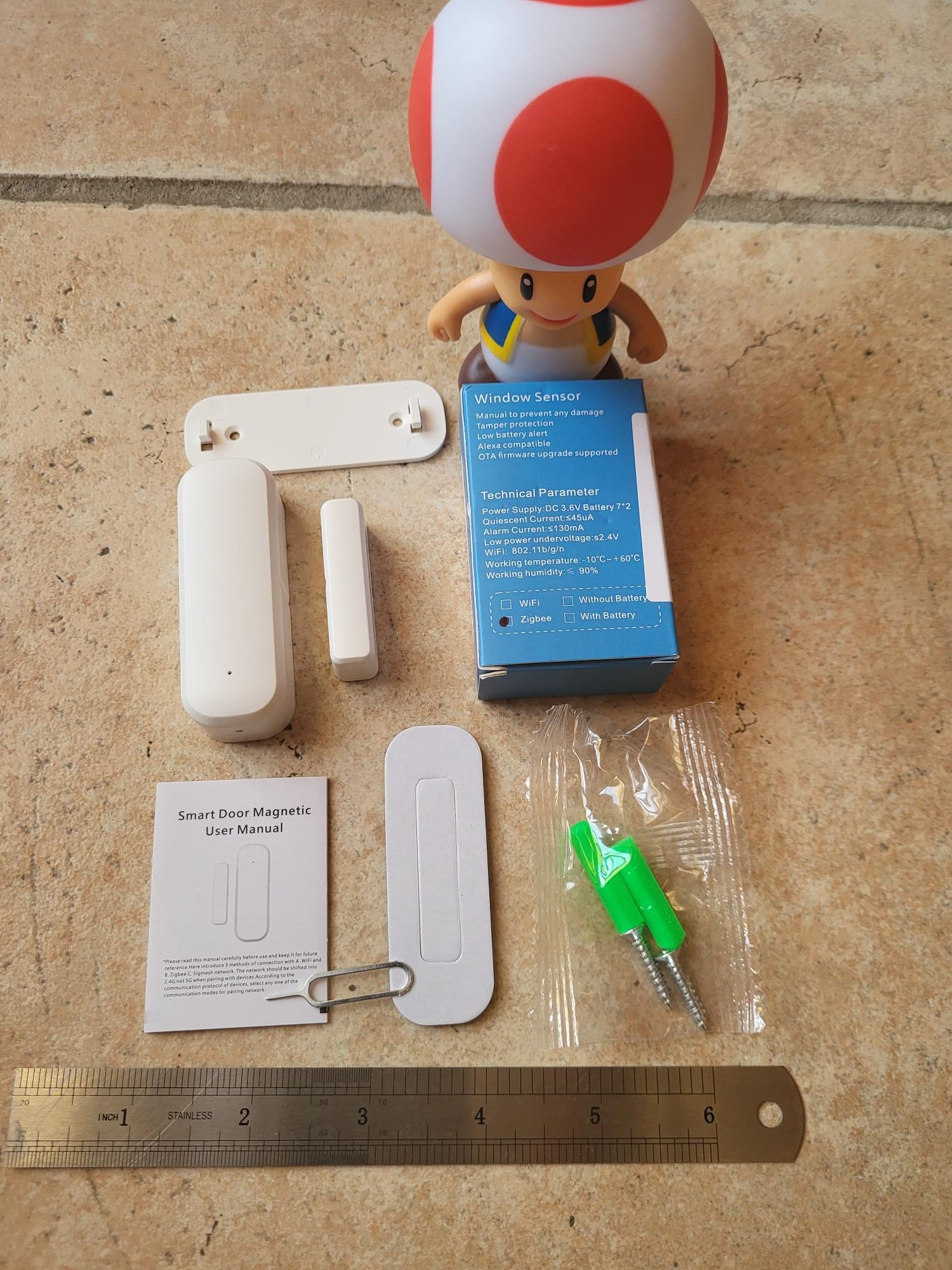
There are a lot of references, the model I received is a mystery. It has no reference inscribed, it is to the Zigbee2MQTT detection that I found a model.
It should be noted that in this model, the supplier added something to attach the sensor to the wall, which is nice.
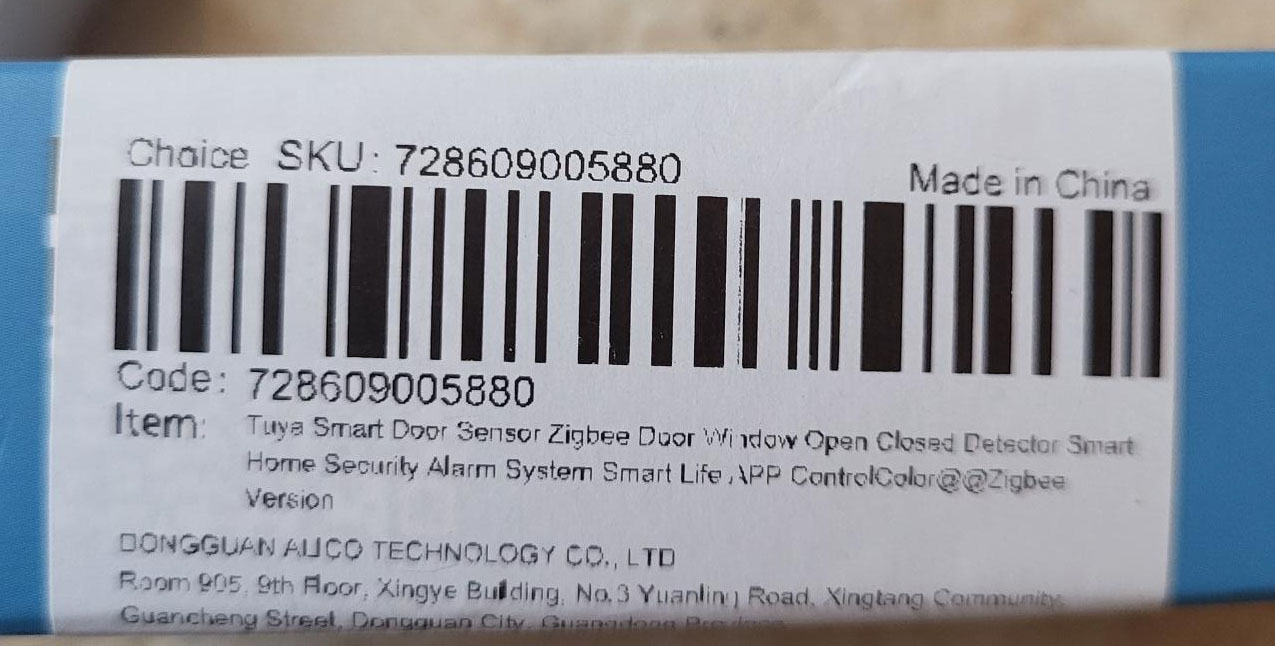
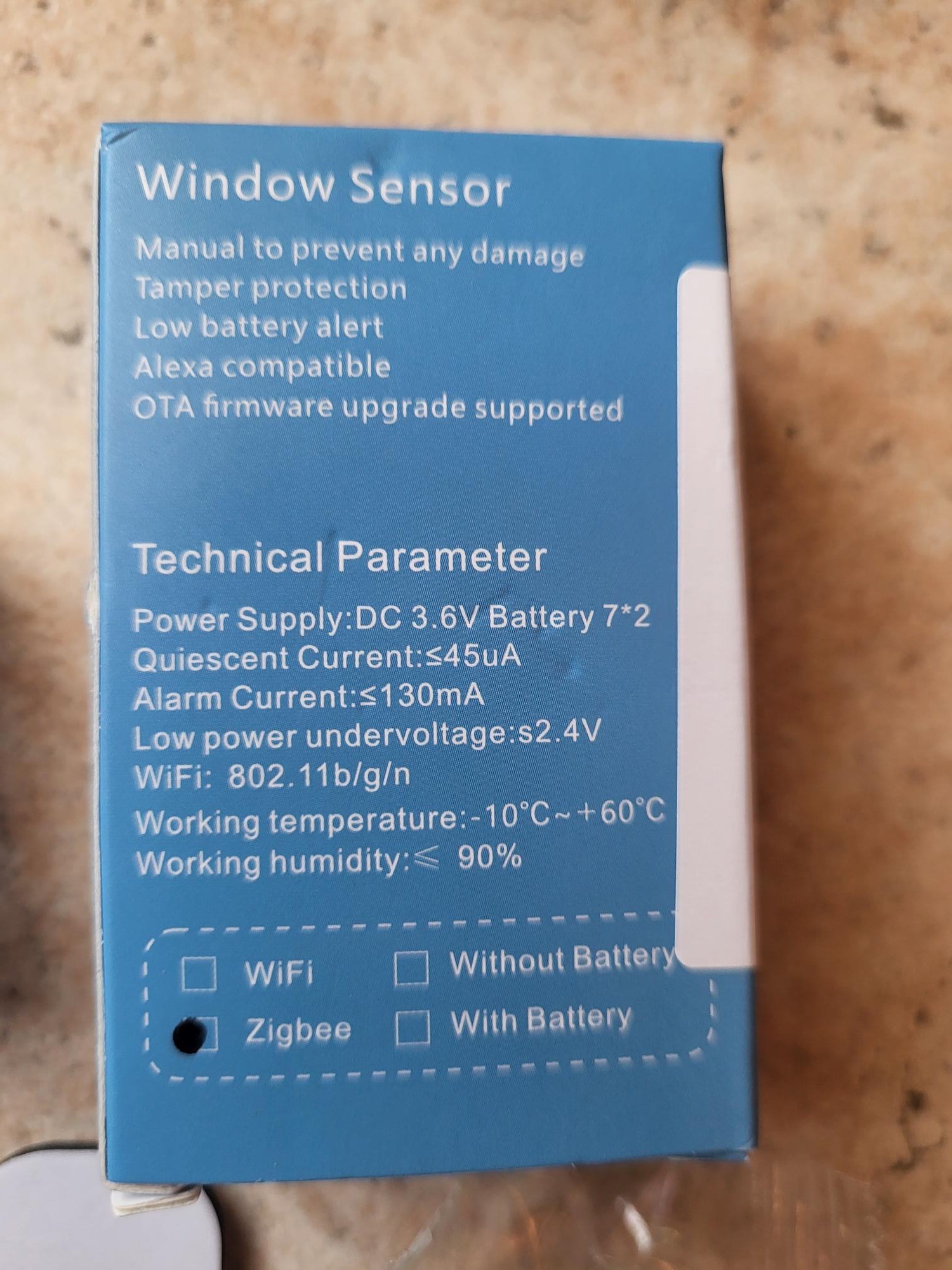
This model is equipped with a very practical AAA battery system (not supplied).
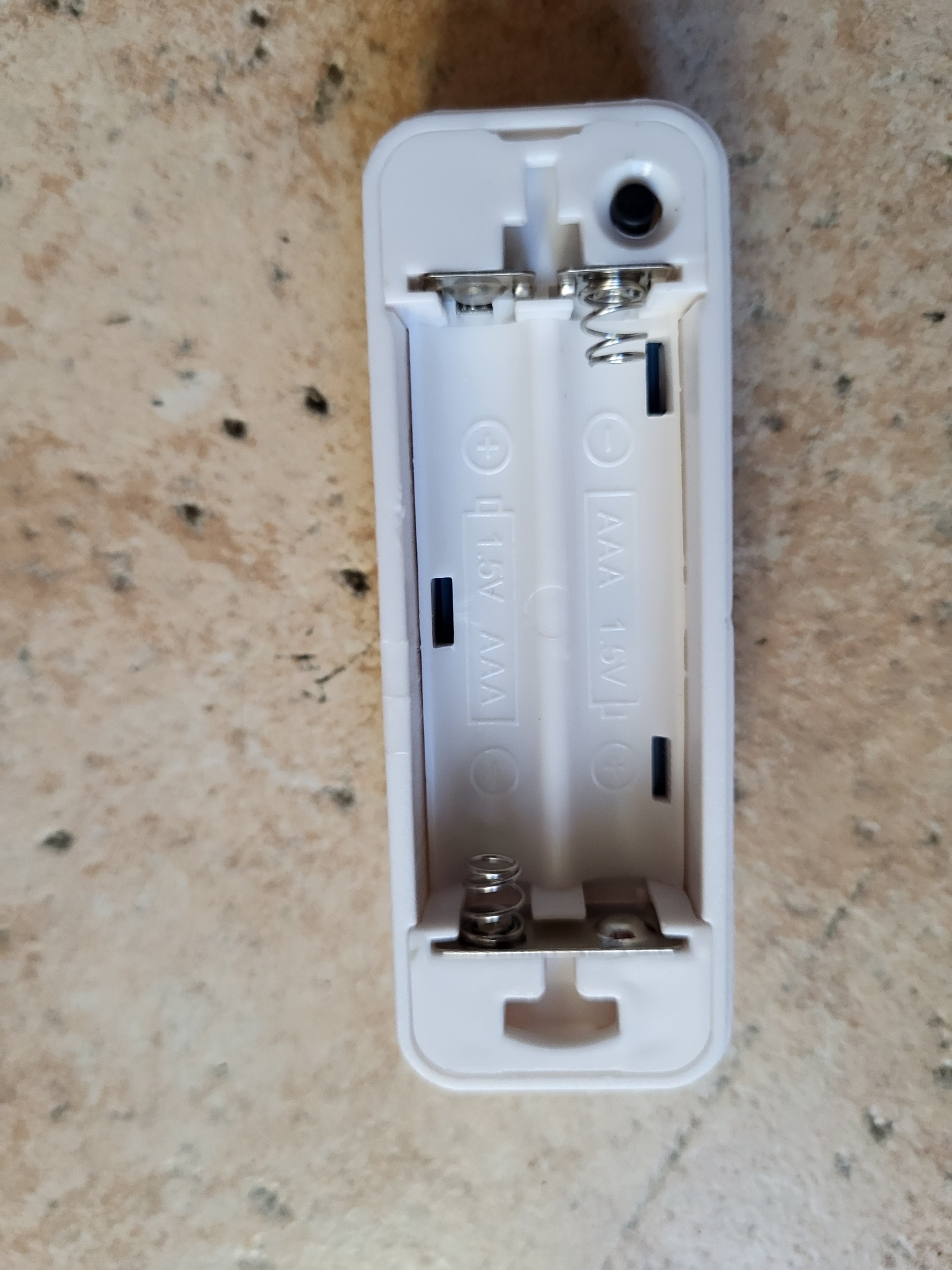
I switch Zigbee2MQTT to pairing mode but nothing happens.
I press the reset button at the top of the module with a metal spike until the blue LED flashes.
The pairing starts.
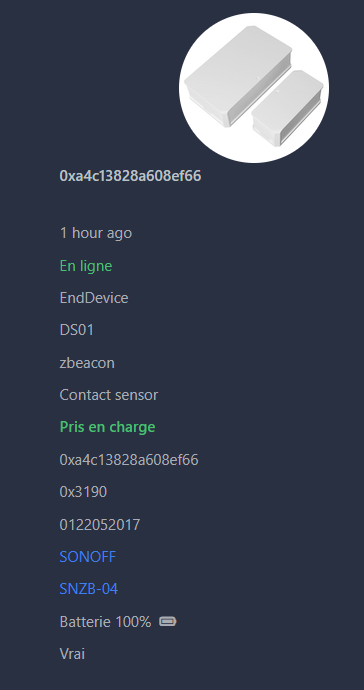
It is therefore the DS01 model that appears on Zigbee2MQTT with an unknown manufacturer?! zbeacon?!
On the drawing, it looks like a sonoff by the way, I think zigbee2mqtt identifies it as an SNZB-04.
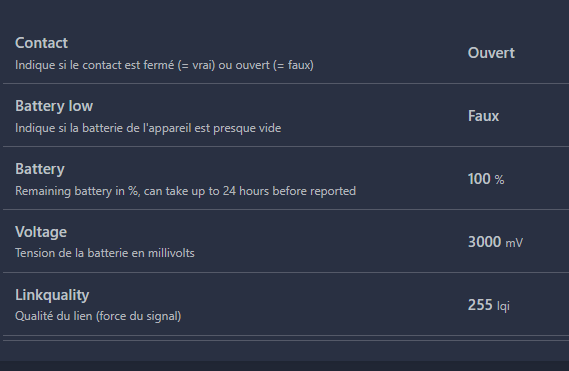
The Open/Closed contact is well-functioning.
Clearly the information on the batteries goes up.
I can find my equipment there
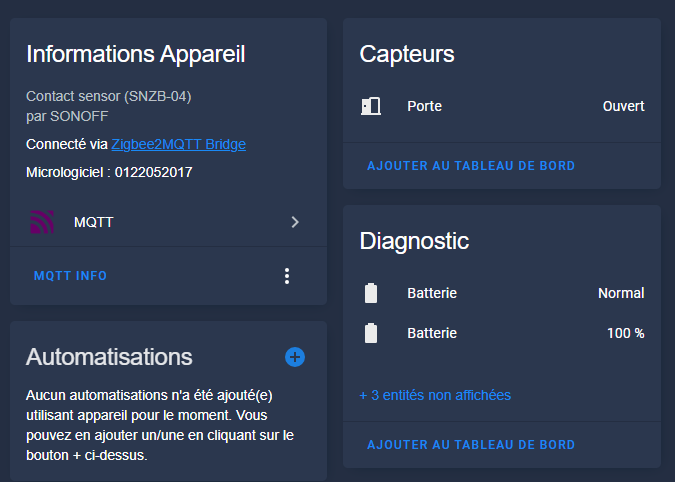
It is perfectly integrated! Note that it comes back in SNZB-04 as in Zigbee2MQTT, this product must be a clone of SNZB-04, impeccable.
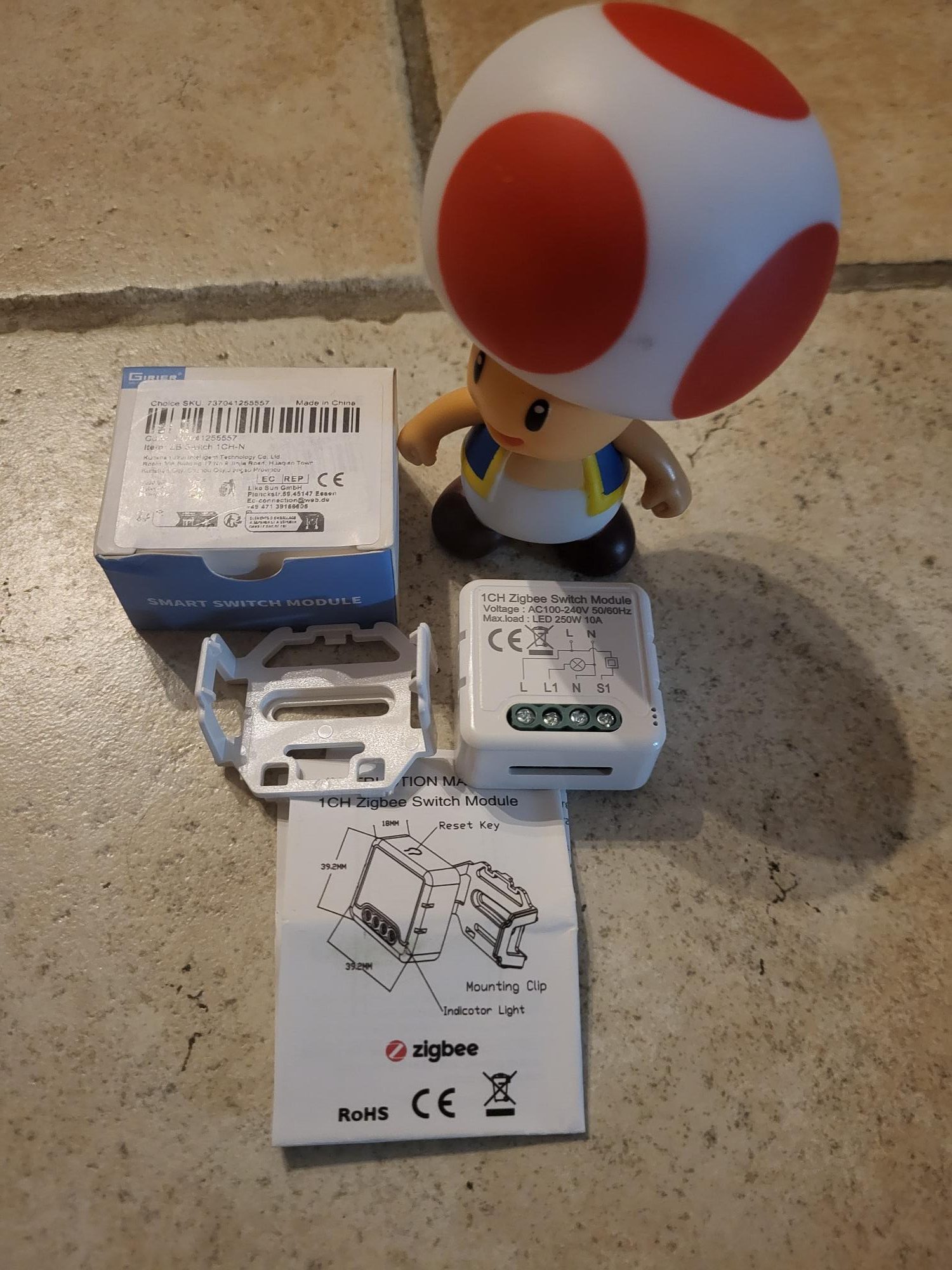
This Zigbee Tuya module requires a neutral to operate and improve the Zigbee network. I received a model without visible reference, marked JR-ZDS02 at the time of purchase, with mandatory N terminal. Unlike the neutral-free module like the ZB-Switch-1ChL, it routes the Zigbee frames, thus enhancing the reach and stability of the mesh.
Neutral allows active routing of Zigbee signals: Each module with neutral acts as a repeater, relaying commands between remote devices. Without neutral, the equipment remains a terminal point, limiting network coverage. Choosing a module with neutral therefore optimises the entire home automation installation.
Many references exist for these Tuya Zigbee modules, but mine does not display any on the box or module. I noted JR-ZDS02 because it was indicated at the time of purchase. This specific version requires the presence of the neutral (blue wire in the electrical installation).
Attention: this module looks like a line for a line Module L (ZB-Switch-1ChL) which, on the other hand, operates without neutral. The key difference lies in the terminals: N (neutral) here, COM (common) on the other model.
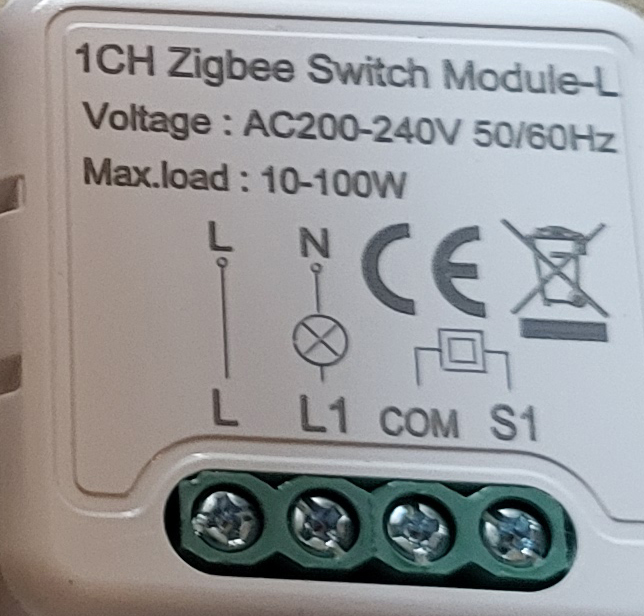
As a reminder, favoring equipment with neutral improves the Zigbee network. They route the frames, creating a robust mesh where each module relays the signals. Without neutral, they terminate the network without relaying, reducing the overall reach.
Connections use a standard Wago or screw connector, typical of built-in modules. Connect the phase (L, brown) to the L terminal, the neutral (N, blue) to the N terminal, and the load (lamp or circuit) to the output terminal.
Always check that there is no tension with a tester before handling. Cut off the general circuit breaker, securely connect the twisted wires, and then close the flush-mounted housing.
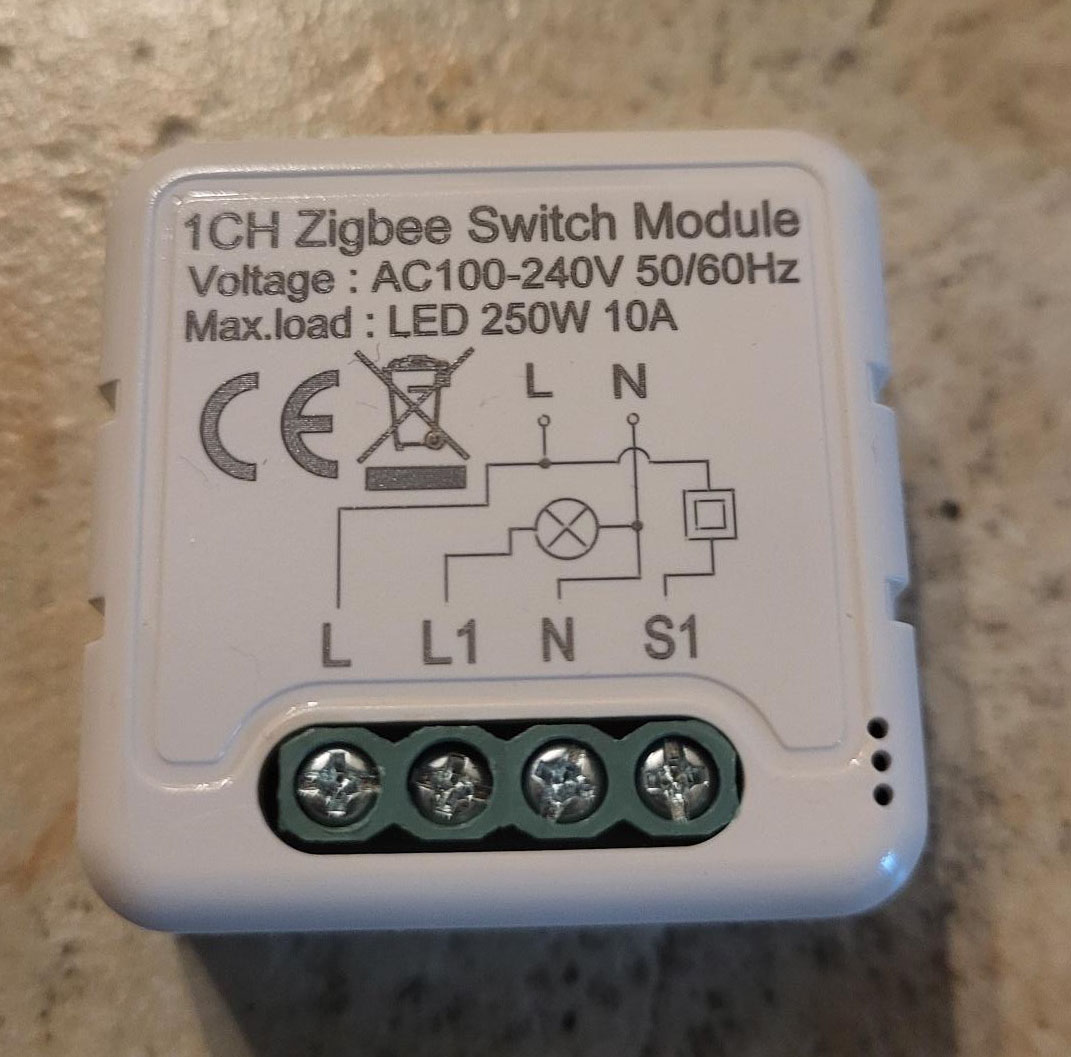
When power is turned on, the blue LED flashes immediately: sign that the module is switching to automatic pairing mode. Enable the pairing mode in Zigbee2MQTT (Permit Join button for a minimum of 30 seconds).
The pairing succeeds in a few seconds: the module appears in the list of devices. It is recognised as _TZE200 _fwoovgla (TS0001), with the exact icon of the 1 channel module.
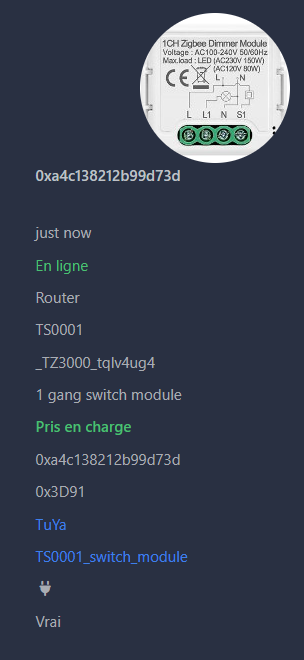
Entities shall immediately report: state (on/off), brightness (if dimmable), power, and linkquality. Test the ignition/turn-off: Everything works without any additional configuration.
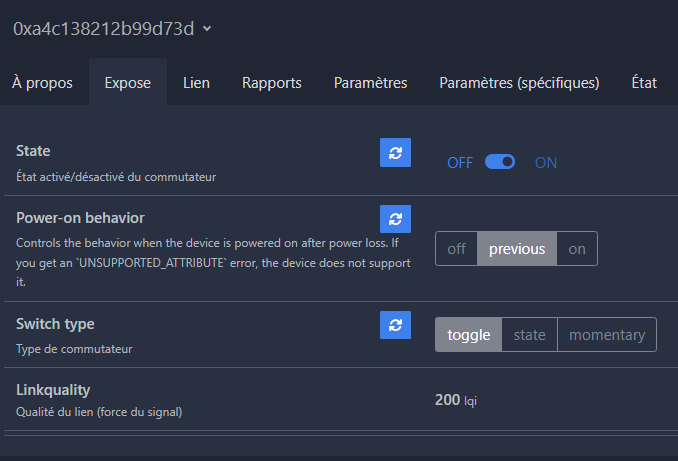
In Home Assistant, the equipment appears automatically via the MQTT integration. It is configured in switch or light according to the exposed entities (state for on/off, brightness for dimmer).
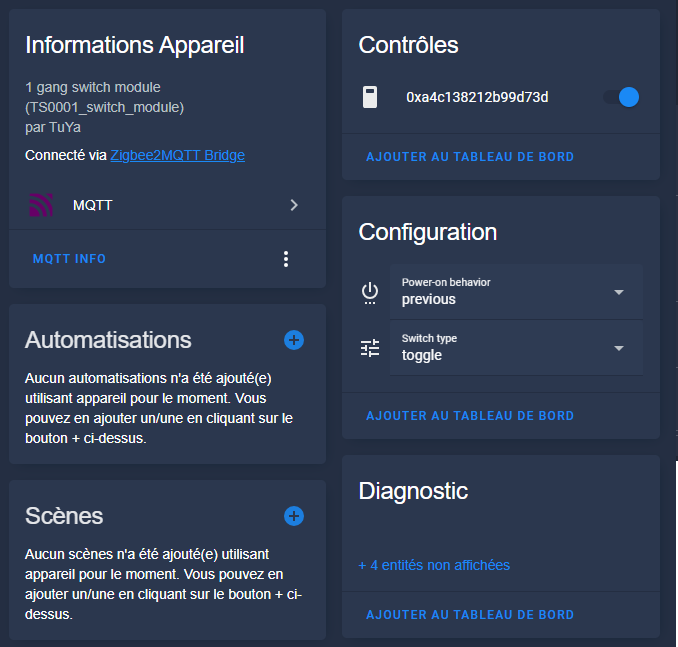
The whole is perfectly integrated: fluid controls, immediate responsiveness, and monitoring of power consumption. No additional YAML configuration required.
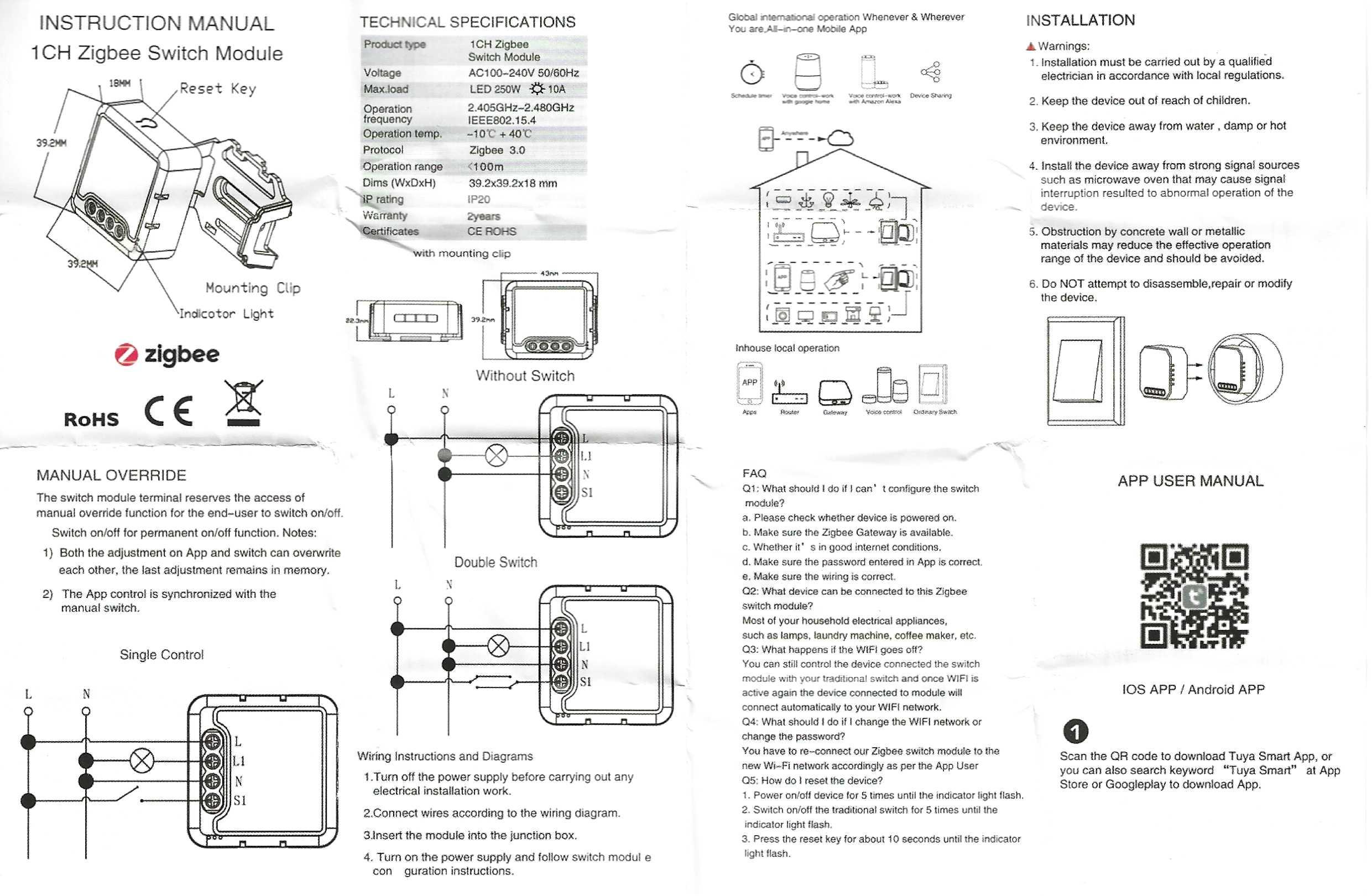
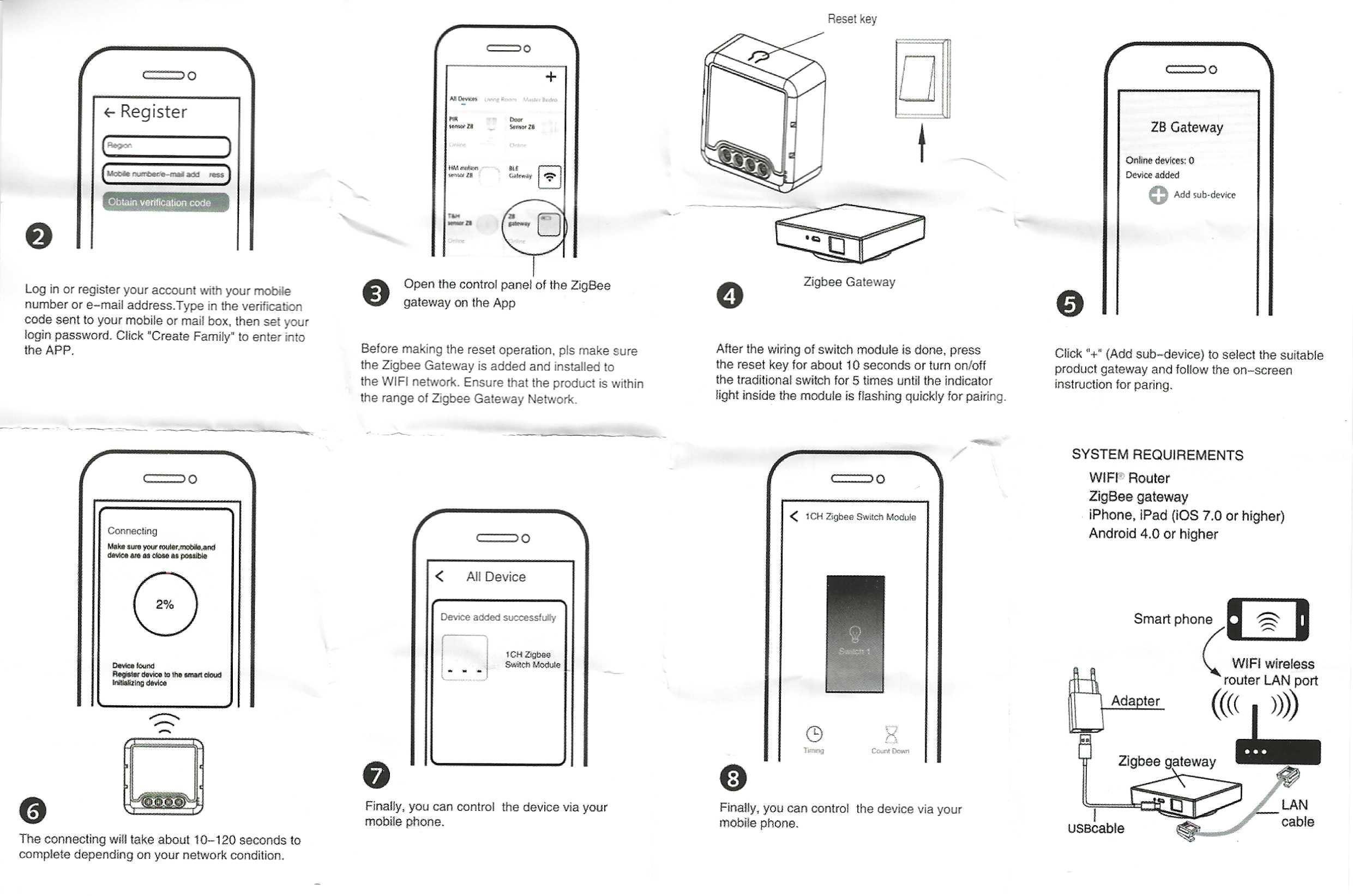
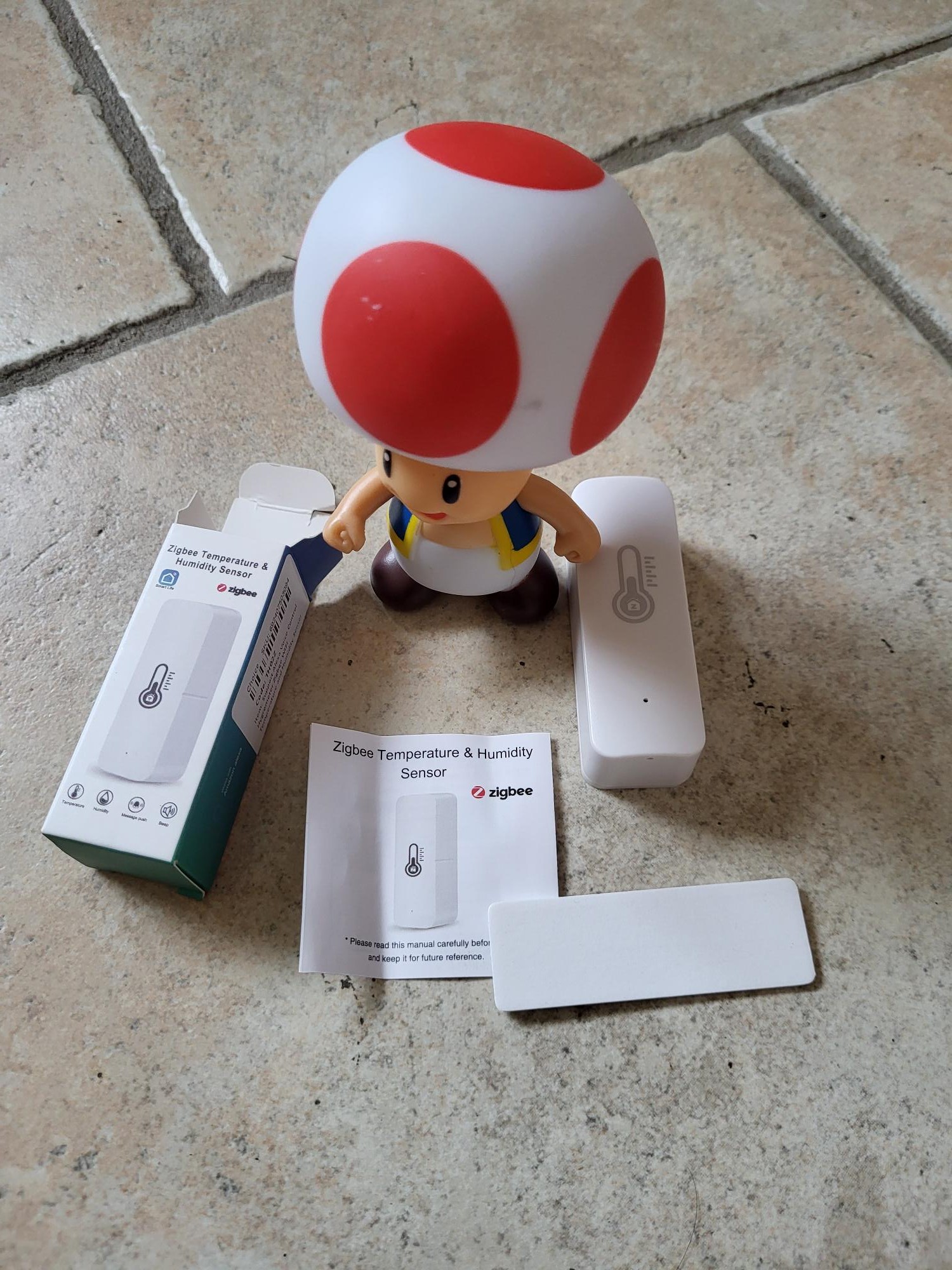
Could not find the reference on the thermometer, it is indicated on the box
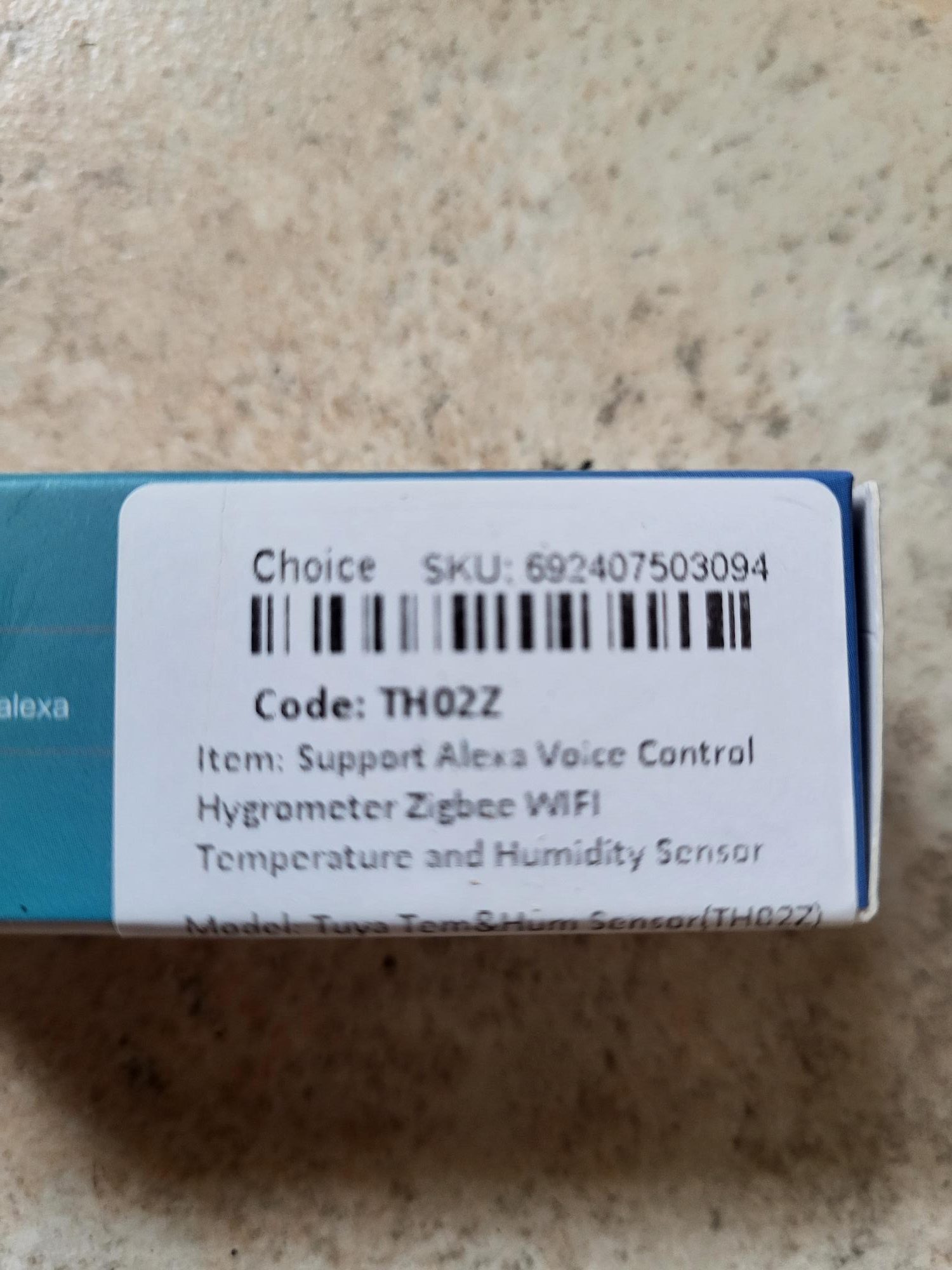
I note that in the received model, AAA batteries are not included. Read More
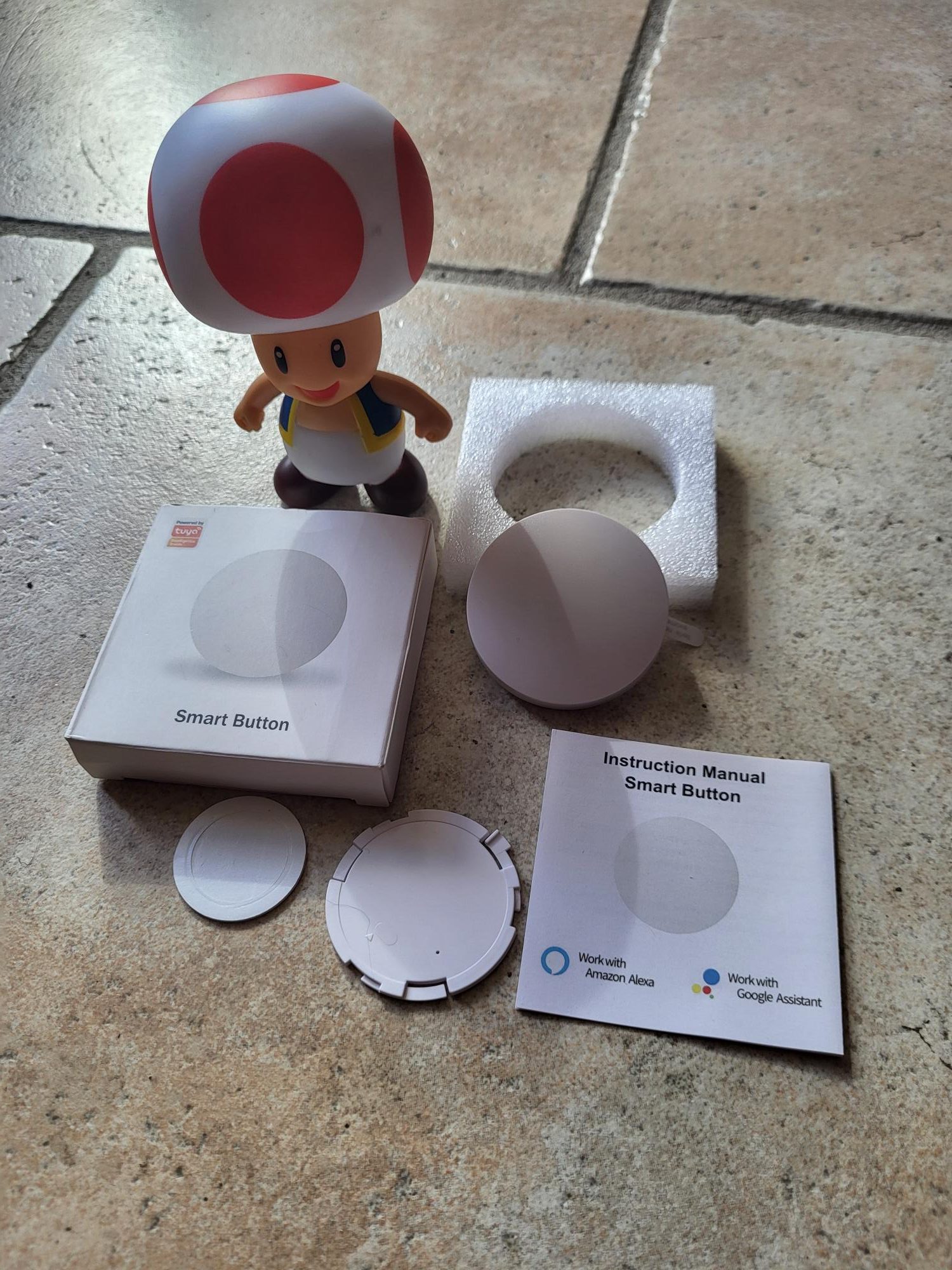
The Zigbee Tuya button that I received comes in a single carton marked only ‘Tuya’, with no obvious technical details. A small label on the side confirms the Zigbee and Zigbee2MQTT compatible model, avoiding cloud-only WiFi versions. This immediate verification reassures because Zigbee2MQTT allows a complete local integration, without constant internet connection or privacy risks related to the remote Tuya cloud. Here I explain how to identify a real Zigbee model for secure and responsive home automation.
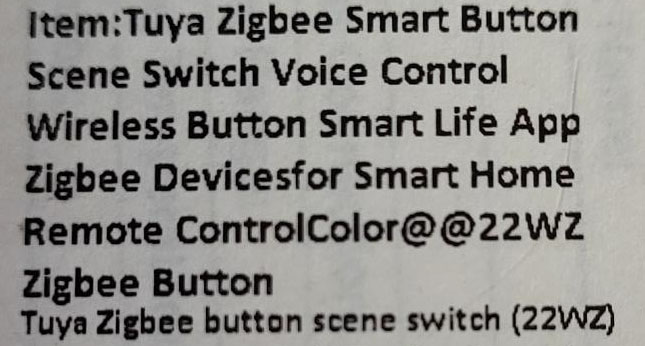
This type of button exists in several variants according to Chinese manufacturers. The one tested previously shares the same compact shape and functions: single, double and long pressures. In the world of low-cost home automation, copies are very similar, but Zigbee2MQTT compatibility remains the decisive criterion. Always check the exact reference to avoid WiFi disguised as Zigbee.
| 1established | Domadoo 🔗 | ❌ |
| 2established | Amazon 🔗 | ❌ |
| 3established | AliExpress 🔗 | ✅ 6,30 € |
| ➡ | Vide-Grenier of Sigalou 🔗 | ✅ Purchase price in batch (link ‘verify available’) |
I prefer Domadoo for its reliable and responsive French service, or Amazon for 24-48h delivery with easy returns. On AliExpress, I check three key points: the precise reference in the description, the actual photos of the seller (not generic), and an evaluation rate >98% on +100 sales. This protects against mislabeled counterfeits or WiFi models.
I start Zigbee2MQTT in pairing mode via the web interface accessible at the IP address of the Zigbee coordinator. I then open the button by gently removing the plastic tab that blocks the included CR2032 battery. This standard 3V button battery provides 1 to 2 years of battery life depending on the frequency of use, and is replaced without tools by simply lifting the rear cover.
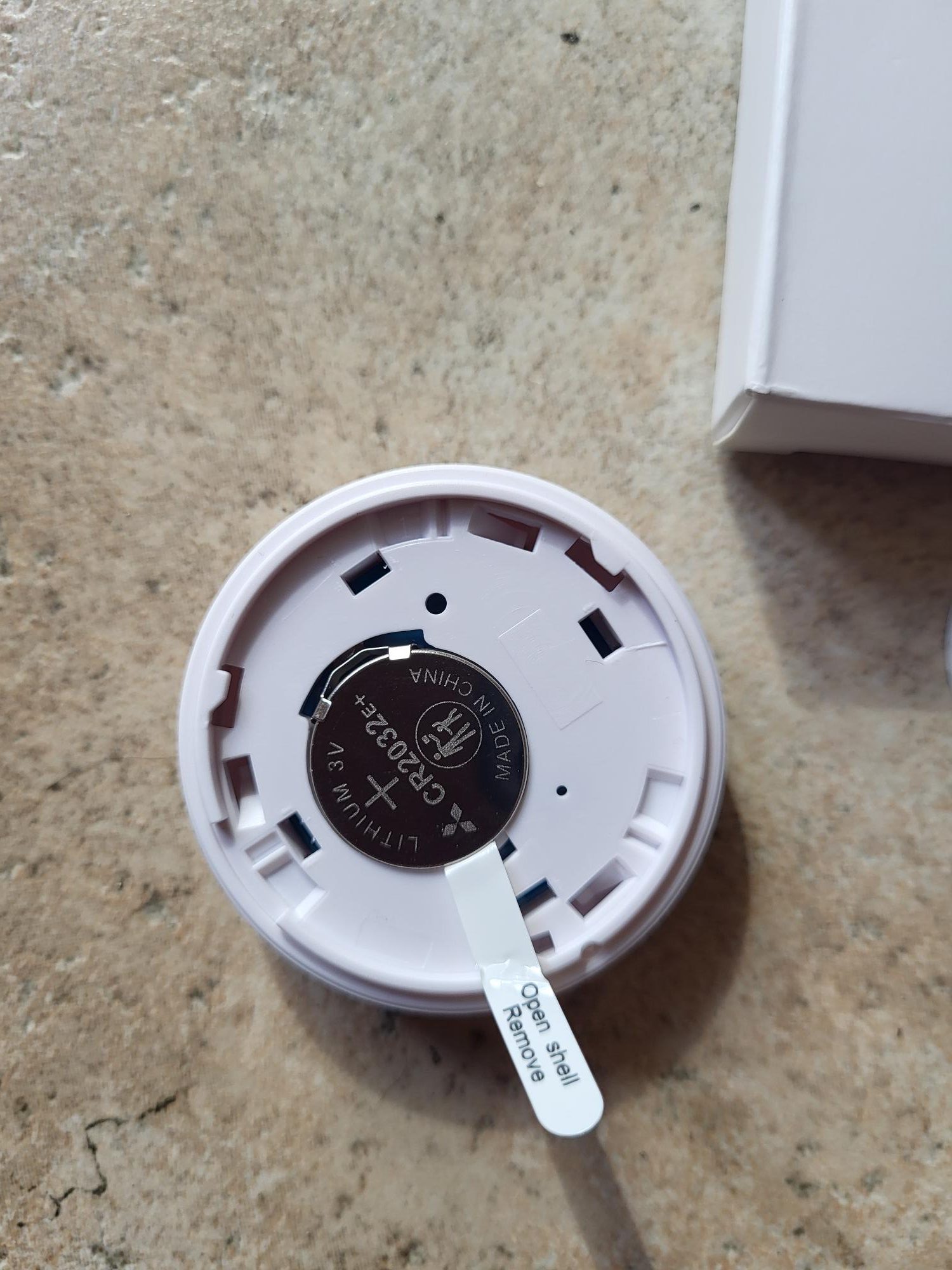
To open the case if necessary, I rotate the rear cover 2-3 mm counterclockwise. Attention: the clip system is fragile, excess force breaks the bindings. When inserting the battery, a red LED flashes 5-10 seconds to signal automatic pairing. Without visible reset, just press firmly in the center of the battery 5 seconds to force the pair mode if nothing happens.
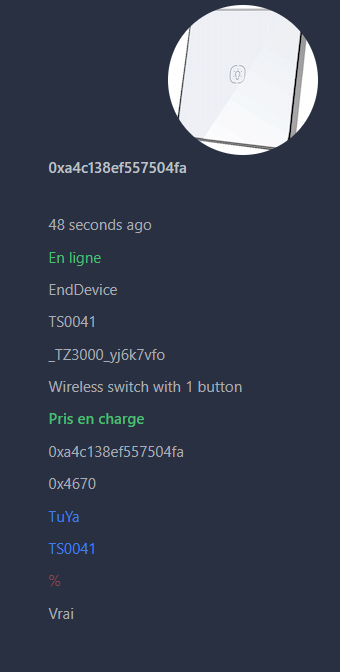
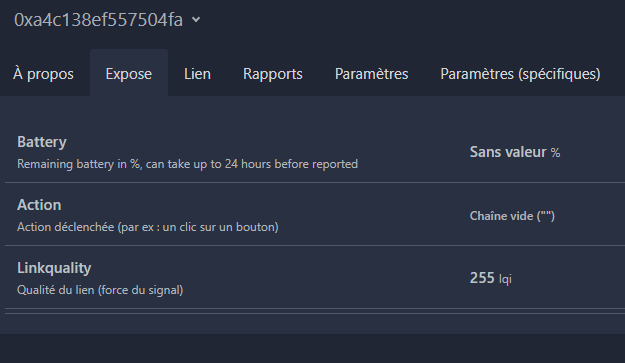
The pairing finishes in less than 30 seconds, the button is displayed with a generic icon but perfect functions. Single, double or long pressures are displayed instantly in ‘Action’. The battery level is not reported, typical of basic Chinese firmware: schedule a change every 18 months or note the date of installation.
Once in Zigbee2MQTT, the button automatically synchronizes in Home Assistant via the MQTT integration. No extra adjustment is required: the "Action" sensor exposes all events ready for automation.
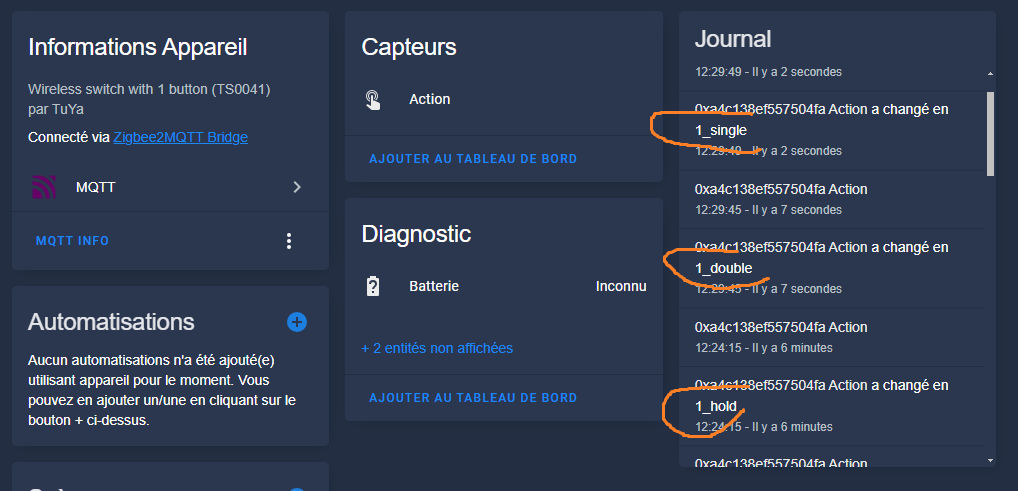
Single, double and long pressure triggers are ideal for turning on groups of lights, throwing scenes or multi-equipment scripts. Latency remains below 200 ms in Zigbee LAN, much higher than slow and internet-dependent Tuya cloud solutions.
 English
  French
  Spanish
  Chinese
  German